Why DIY Tree Removal Can Be Dangerous
Trees are a vital part of our environment, offering shade, enhancing property aesthetics, and contributing to the overall ecosystem. However, there are times when trees become a liability due to disease, structural instability, or their location near homes and power lines. In such cases, tree removal becomes necessary to ensure safety and protect property. While the idea of doing it yourself may seem tempting, especially to save money, it carries significant risks that are often underestimated. Understanding these risks is crucial before attempting any form of DIY tree removal.
Many homeowners underestimate the complexity involved in safely removing a tree. A falling tree can cause severe property damage, serious injury, or even fatal accidents. Additionally, improper removal can harm surrounding vegetation, structures, and even local wildlife. Professional arborists possess the expertise, specialized equipment, and knowledge of tree physiology and safety protocols to handle these tasks effectively. This blog explores the dangers associated with DIY tree removal, highlights best practices, and emphasizes why hiring professionals is often the safest, most efficient approach. By the end, you will have a clear understanding of why DIY tree removal is rarely worth the risk.
Understanding the Risks of DIY Tree Removal
Physical Hazards
Falling Trees and Limbs
One of the most obvious dangers of DIY tree removal is the risk of falling trees or branches. Even small trees can cause serious injury or property damage if they fall unpredictably. Large trees, in particular, are highly unpredictable, as their weight and natural lean can cause them to topple in unintended directions.
Chainsaw Injuries
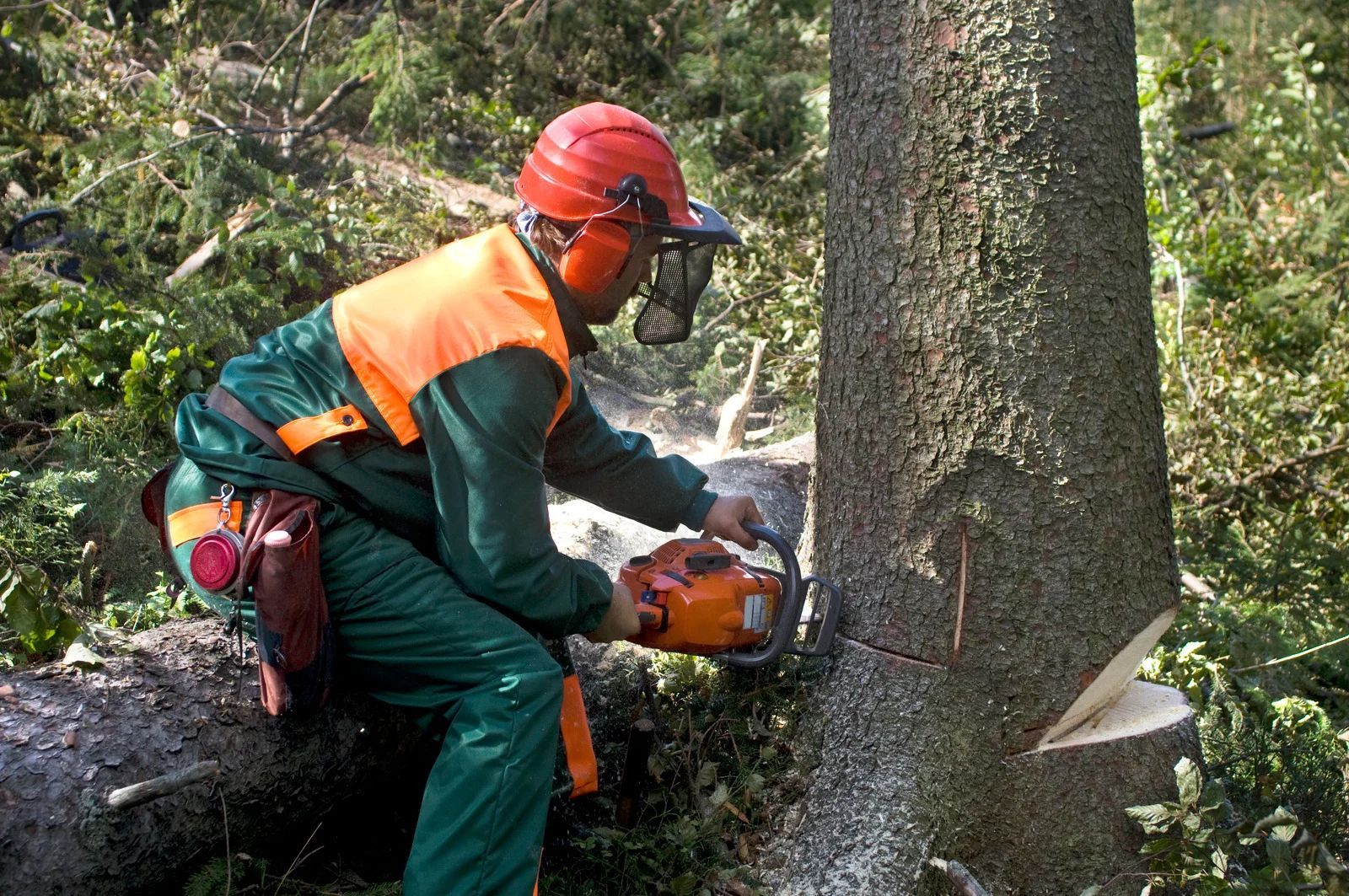
Chainsaws are powerful tools that require training and experience to use safely. Improper handling can lead to deep lacerations, amputations, or even fatal injuries. Many homeowners underestimate the precision and skill required to cut a tree without compromising safety.
Uneven Terrain and Hidden Obstacles
Tree removal sites are often uneven, with hidden roots, rocks, or debris that can cause slips and falls. These obstacles increase the risk of injury when carrying heavy tools or maneuvering around a falling tree.
Structural Hazards
Nearby Structures and Utilities
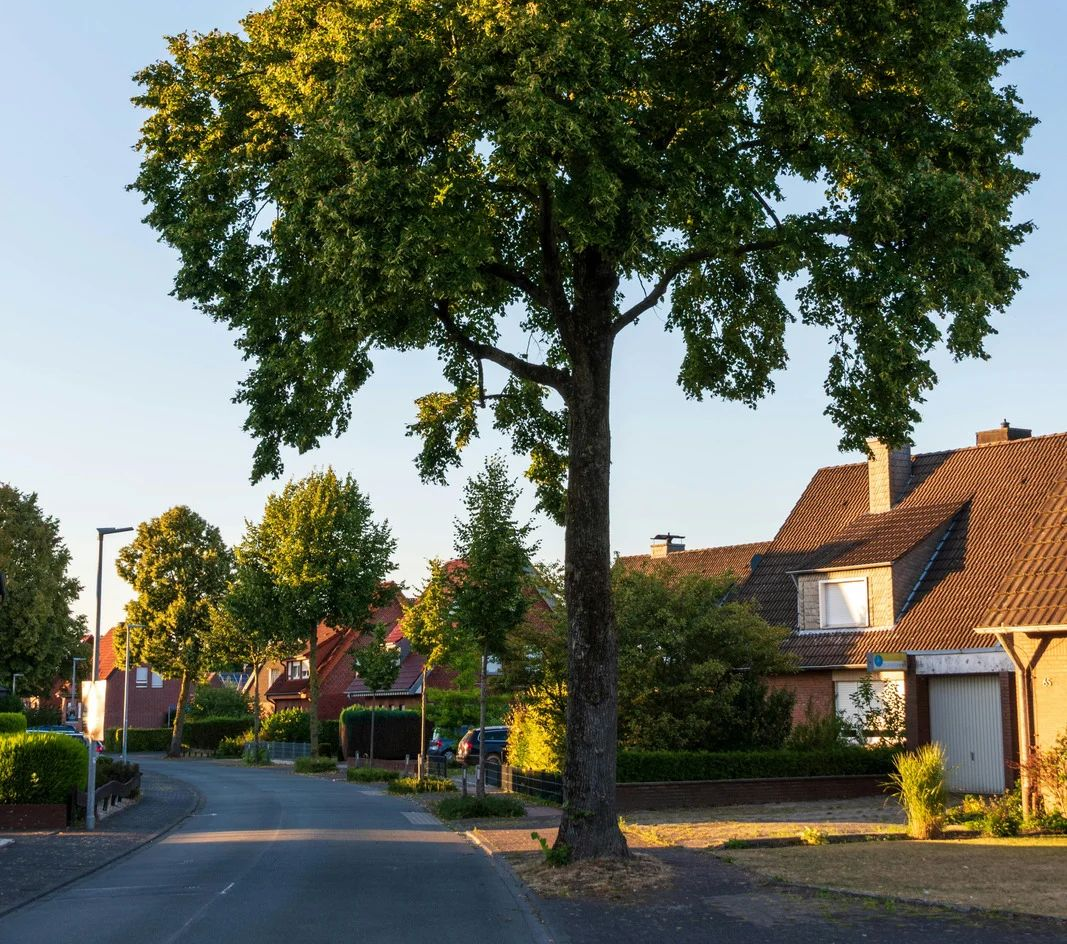
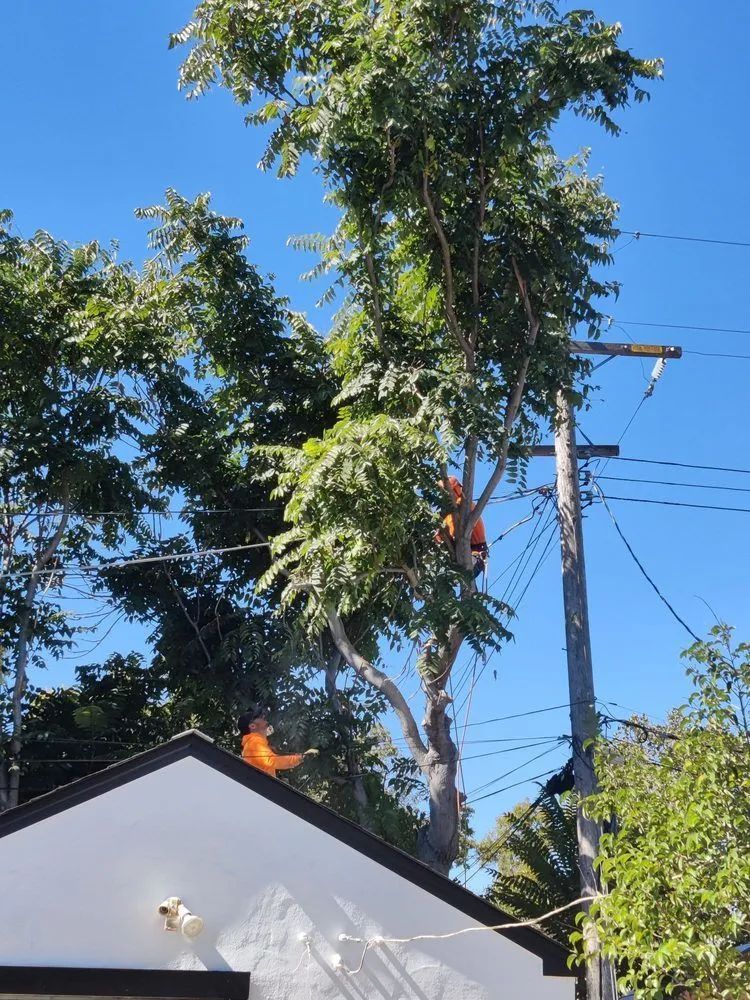
Trees located near homes, fences, garages, or power lines present additional challenges. A miscalculated cut can result in severe property damage or even electrocution if the tree contacts power lines. Professional arborists are trained to assess and manage these hazards safely.
Internal Tree Decay
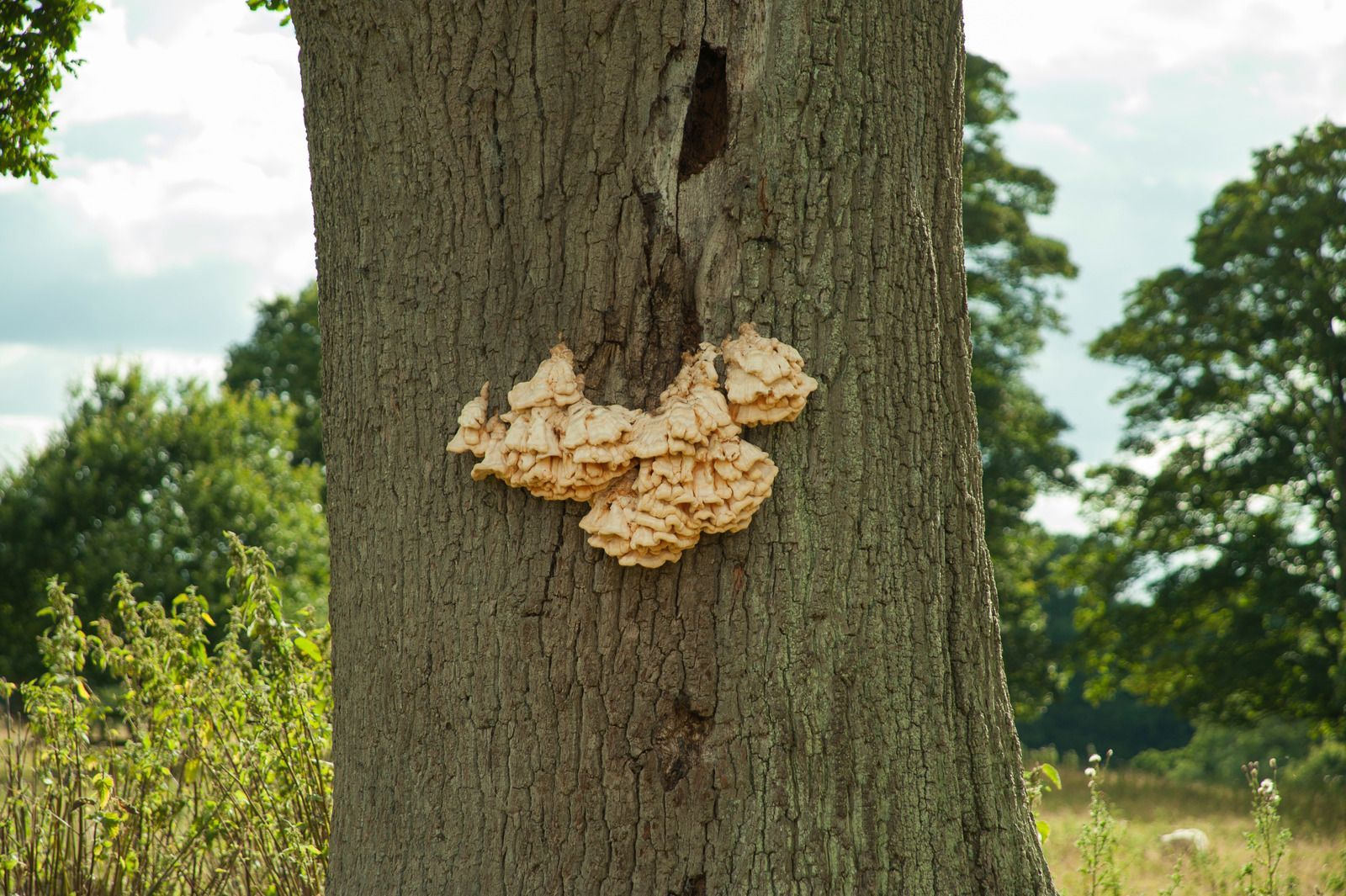
Not all trees are structurally sound. Internal decay or rot can cause a tree to break unpredictably during removal, making the process far more dangerous for someone without proper knowledge of tree anatomy.
Equipment Challenges
Specialized Tools Are Required
List of Services
-
Cranes, Ropes, and Rigging EquipmentList Item 1
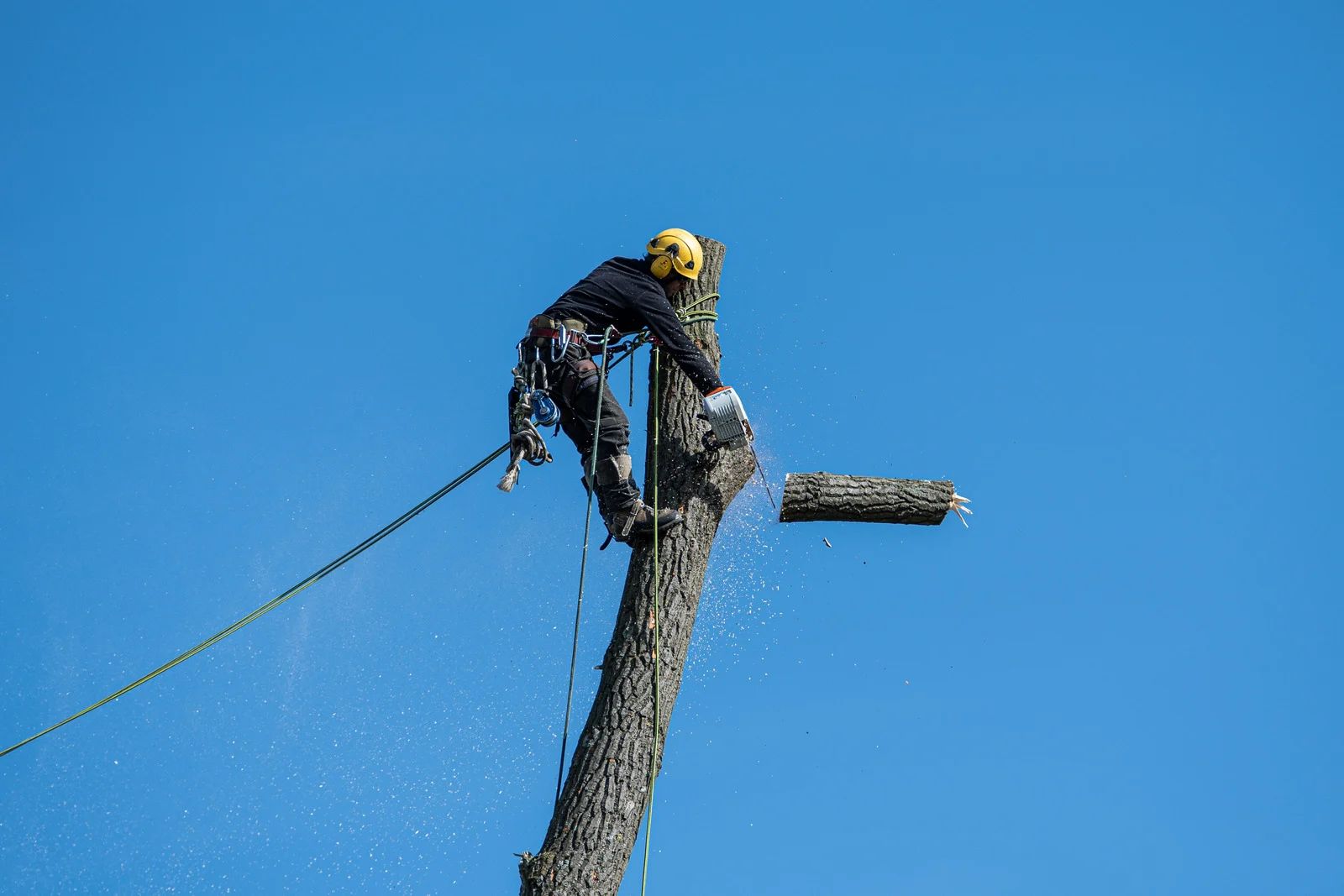
Removing large trees often requires more than a chainsaw. Professionals use cranes, ropes, and specialized rigging equipment to control the direction of a tree’s fall and safely lower large limbs. Homeowners attempting DIY removal rarely have access to these tools, increasing the risk of accidents.
-
Protective GearList Item 2
Proper personal protective equipment (PPE) is essential during tree removal. Helmets, gloves, eye protection, and cut-resistant clothing help prevent injuries. Many DIY enthusiasts neglect these precautions, often due to underestimating the hazards involved.
-
Maintenance and Inspection of ToolsList Item 3
Chainsaws, ropes, and other equipment require regular maintenance and inspection to function safely. Dull chains, frayed ropes, or malfunctioning machinery can lead to catastrophic accidents. Professional tree care services ensure all tools are in optimal condition before use.
Environmental and Legal Considerations
Local Regulations and Permits
Many municipalities require permits for tree removal, especially for large, mature, or protected species. Attempting DIY tree removal without understanding local regulations can result in fines, legal issues, or forced replanting. Professionals are familiar with local laws and can secure necessary permits efficiently.
Impact on the Surrounding Ecosystem
Trees are home to birds, squirrels, insects, and other wildlife. Improper removal can harm these ecosystems, causing unintended ecological damage. Arborists consider environmental factors when planning removals, ensuring minimal impact on surrounding flora and fauna.
Property Value Implications
Incorrect tree removal can affect property value. Poorly executed removals can damage landscaping, create safety hazards, or leave unsightly stumps. Professional removal preserves property aesthetics and ensures safety compliance, maintaining the home’s value.
Best Practices for Safe Tree Removal
Professional Assessment
List of Services
-
Tree Health and Stability AnalysisList Item 1
Before removing a tree, professionals assess its health, stability, and potential hazards. This evaluation helps determine the safest removal method and identifies any structural weaknesses that could lead to unpredictable behavior during cutting.
-
Site EvaluationList Item 2
A thorough site assessment identifies obstacles, terrain challenges, and nearby structures that require protection. Arborists create a comprehensive plan to mitigate risks, including identifying escape routes for workers in case of unexpected tree movement.
Step-by-Step Safe Removal
Crown Reduction and Limb Removal
For large trees, removing the crown and limbs incrementally helps manage the tree’s weight and reduces the risk of sudden collapse. Professionals use ropes and rigging techniques to safely lower branches.
Controlled Felling
Controlled felling techniques involve precise cuts and directional planning to ensure the tree falls in a predetermined area. Improper techniques are a primary cause of DIY tree removal accidents.
Stump and Root Management
After the tree is felled, the stump and roots must be addressed. Professionals grind stumps efficiently, reducing tripping hazards and preventing new growth that could compromise landscaping.
Real-World Scenarios and Case Studies
List of Services
-
Homeowner InjuriesList Item 1
Many injuries occur when homeowners attempt to remove trees near structures without proper knowledge. For example, a misjudged cut can cause a tree to strike a garage, vehicle, or even the person performing the removal. Medical reports show that chainsaw injuries are among the leading causes of home DIY accidents involving trees.
-
Property Damage IncidentsList Item 2
Property damage is common in DIY tree removal attempts. A tree falling on a roof can result in expensive repairs, while unplanned limb drops can damage fences, sheds, or nearby gardens. These incidents often cost far more than hiring a professional initially would have.
-
Environmental MishapsList Item 3
Removing trees without consideration of local wildlife or plant life can lead to long-term ecological consequences. In urban areas, indiscriminate tree removal may disrupt bird nesting areas or remove crucial shade and soil stabilization, causing erosion or flooding issues.
Why Hiring Professionals Is the Safest Option
Expertise and Experience
Professional arborists have years of experience and training to handle trees safely and efficiently. They understand tree anatomy, hazard assessment, and advanced removal techniques that minimize risk.
Comprehensive Insurance Coverage
Licensed tree care professionals carry insurance that covers property damage or injuries. This protection is invaluable for homeowners, as DIY removal leaves them financially responsible for accidents.
Efficient and Cost-Effective
While DIY may seem cheaper upfront, accidents, injuries, and property damage can far outweigh the initial savings. Professionals complete removals faster and more safely, saving time, stress, and potential repair costs.
Additional Services
Many tree care companies offer stump grinding, debris removal, and even tree health assessments for future maintenance. These additional services ensure that the property remains safe, attractive, and well-maintained after tree removal.
Preventing DIY Temptation and Planning Ahead
List of Services
-
Risk AwarenessList Item 1
Educating homeowners about the dangers of DIY tree removal can reduce the temptation to attempt risky removals. Understanding the severe consequences of misjudged cuts, falling trees, or improper equipment handling is the first step toward safer decisions.
-
Tree Maintenance and Early InterventionList Item 2
Regular tree maintenance, such as pruning and health inspections, can prevent emergency removal situations. Homeowners who maintain trees properly are less likely to face urgent removal scenarios that might tempt DIY attempts.
-
Professional ConsultationsList Item 3
Even if a homeowner is curious about the tree’s condition, consulting a professional early can provide insights without risking safety. Arborists can recommend preventative measures or selective pruning, reducing the need for full removal.
Key Takeaways on Avoiding Dangerous DIY Tree Removal
DIY tree removal may appear cost-effective and convenient, but it carries significant physical, structural, environmental, and legal risks. From chainsaw accidents and falling limbs to property damage and regulatory violations, the potential hazards are considerable. Proper planning, equipment, and expertise are essential to ensure a safe removal process, highlighting why professional services are often the only responsible choice.
When it comes to protecting your home, property, and personal safety, relying on experienced tree care professionals is the best decision.
LD Tree Care, based in
Sacramento and Surrounding Areas, brings
15years of industry expertise to every project, offering safe, efficient, and reliable tree removal services. Their team of certified arborists is equipped with advanced tools and safety protocols to handle trees of all sizes and conditions. Whether you need emergency removal, routine maintenance, or environmental assessment, we provide comprehensive solutions tailored to your property’s needs. By choosing a trusted professional service, homeowners gain peace of mind, preserve property value, and ensure the safety of both residents and surrounding ecosystems. With LD Tree Care, you can confidently manage tree hazards while maintaining the natural beauty and safety of your landscape.