The Role of Trees in Preventing Soil Erosion
Soil erosion is one of the most pressing environmental challenges worldwide, affecting agriculture, infrastructure, and natural ecosystems. The gradual removal of topsoil, driven by wind, rain, and human activities, reduces soil fertility, disrupts water cycles, and increases sedimentation in rivers and streams. Understanding how to mitigate soil erosion is essential for sustainable land management, ecosystem preservation, and long-term agricultural productivity. Trees play a pivotal role in this context, serving as natural defenders of soil integrity. Their presence stabilizes the land, reduces runoff, and enhances the resilience of landscapes against environmental stressors.
Beyond environmental benefits, preventing soil erosion has practical implications for urban planning, landscaping, and forestry management. Planting and maintaining appropriate tree species can significantly decrease the risk of landslides, safeguard waterways, and improve soil health, ultimately contributing to more stable and productive land. In this blog, exploration of tree characteristics, mechanisms, and best practices demonstrates how strategic planting can combat soil erosion effectively, offering actionable insights for landowners, landscapers, and environmental stewards.
Understanding Soil Erosion and Its Causes
What is Soil Erosion?
Soil erosion is the displacement of the upper layer of soil, which is the most nutrient-rich and vital for plant growth. It occurs naturally but can accelerate due to human activities such as deforestation, overgrazing, and improper agricultural practices. When the topsoil is washed or blown away, the land becomes less fertile, water quality diminishes, and ecosystems face long-term degradation. Recognizing the processes behind erosion is fundamental to mitigating its effects effectively.
Primary Causes of Soil Erosion
Water Erosion: Heavy rainfall or rapid snowmelt can carry soil particles downhill, leading to gullies and sedimentation in rivers. Steep slopes without adequate vegetation are particularly vulnerable.
Wind Erosion: In arid and semi-arid regions, strong winds can lift and transport fine soil particles over long distances, reducing soil quality and creating dust storms.
Human-Induced Factors: Land clearing for agriculture, urban development, and road construction disturbs soil structure. The removal of vegetation exposes soil to environmental forces, accelerating erosion.
Impacts of Soil Erosion
Soil erosion threatens food security by reducing arable land, causes structural damage to roads and buildings, and contributes to water pollution through sediment runoff. In the long term, it undermines the ecological balance, diminishing soil organic matter and microbial activity. Preventing soil erosion is not just an environmental priority—it is crucial for maintaining economic and social well-being in affected regions.
How Trees Combat Soil Erosion
List of Services
-
Root Systems: Nature’s AnchorsList Item 1
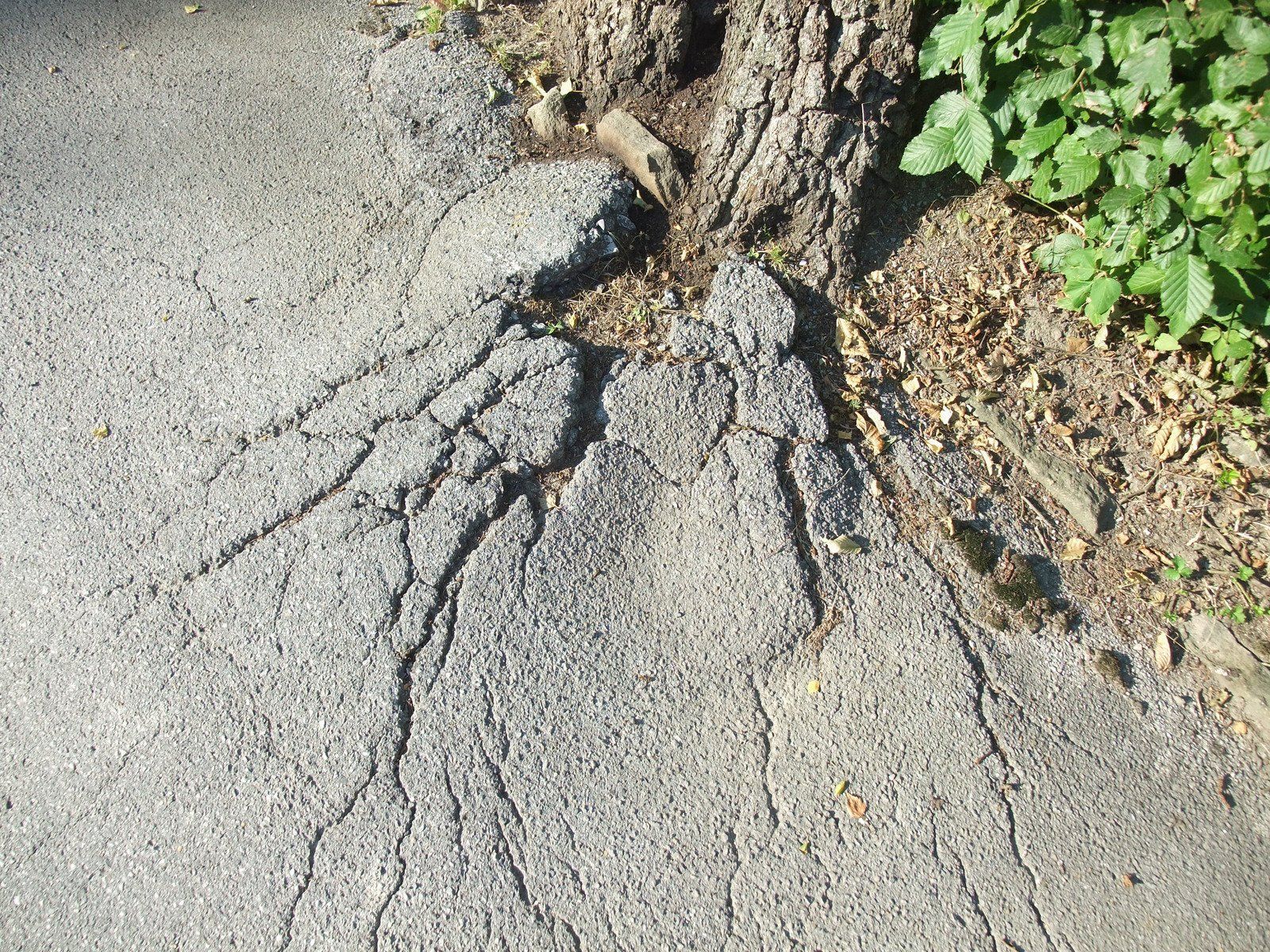
One of the primary mechanisms by which trees prevent soil erosion is through their root systems. Roots penetrate the soil, binding soil particles together and forming a network that stabilizes the ground. Deep taproots anchor the soil in place on slopes, while fibrous roots provide a dense mat that protects surface layers from being washed away. This structural reinforcement reduces the likelihood of landslides and gully formation, particularly in hilly or flood-prone regions.
-
Canopy and Leaf Litter ProtectionList Item 2
Tree canopies intercept rainfall, reducing the speed at which raindrops strike the soil. This interception minimizes soil splash and surface runoff, which are major contributors to erosion. Additionally, fallen leaves and organic matter form a natural mulch layer on the ground. This layer absorbs water, retains moisture, and shields the soil from direct erosion forces while gradually decomposing to enrich soil fertility.
-
Reduction of Runoff
Trees significantly influence the hydrological cycle. By enhancing water infiltration and reducing surface water velocity, they mitigate the intensity of runoff that erodes soil. Riparian trees, planted alongside rivers and streams, are particularly effective. They trap sediments, filter pollutants, and create stable banks that prevent the collapse of soil into water bodies.
-
Windbreak Effect
In regions prone to wind erosion, strategically planted trees serve as natural windbreaks. They reduce wind speed at the soil surface, minimizing the detachment and transport of fine soil particles. The orientation and density of tree rows can be optimized to protect farmland, pastures, and open landscapes, preserving soil quality and preventing desertification.
Best Tree Species for Soil Stabilization
Criteria for Selection
Selecting the right tree species for erosion control depends on soil type, climate, and slope. Key considerations include root depth, canopy density, drought tolerance, and growth rate. Trees with extensive root systems are ideal for stabilizing steep slopes, while those with wide-spreading canopies are better for intercepting rainfall on flatter terrain.
Recommended Tree Species
Willow (Salix spp.): Willows are fast-growing and have strong fibrous roots, making them excellent for riverbanks and wet areas.
Oak (Quercus spp.): Oaks develop deep taproots that anchor soil effectively on slopes, and their leaf litter enriches soil organic matter.
Pine (Pinus spp.): Pines thrive in sandy soils and provide year-round wind protection due to their evergreen nature.
Alder (Alnus spp.): Alders fix nitrogen in the soil and grow quickly, providing both stabilization and soil fertility benefits.
Red Maple (Acer rubrum): With adaptable root systems, red maples work well in both wet and dry soils, offering strong erosion resistance.
Mixed Planting for Optimal Results
Using a combination of species rather than a monoculture enhances soil protection. Trees with complementary root structures and growth habits create layered stabilization, which increases resilience against heavy rainfall, landslides, and strong winds. Additionally, mixed plantings support biodiversity, attract pollinators, and contribute to a healthier ecosystem, reinforcing the long-term benefits of erosion prevention strategies.
Real-World Applications and Case Studies
List of Services
-
Agricultural Land ProtectionList Item 1
Farmers have long used trees as natural buffers to prevent soil loss. Contour planting along slopes and integrating trees into hedgerows helps retain topsoil, reduces water runoff, and maintains crop productivity. Agroforestry systems, where crops and trees coexist, not only combat erosion but also improve soil fertility and provide additional economic benefits through timber, fruits, or nuts.
-
Urban and Landscape DesignList Item 2
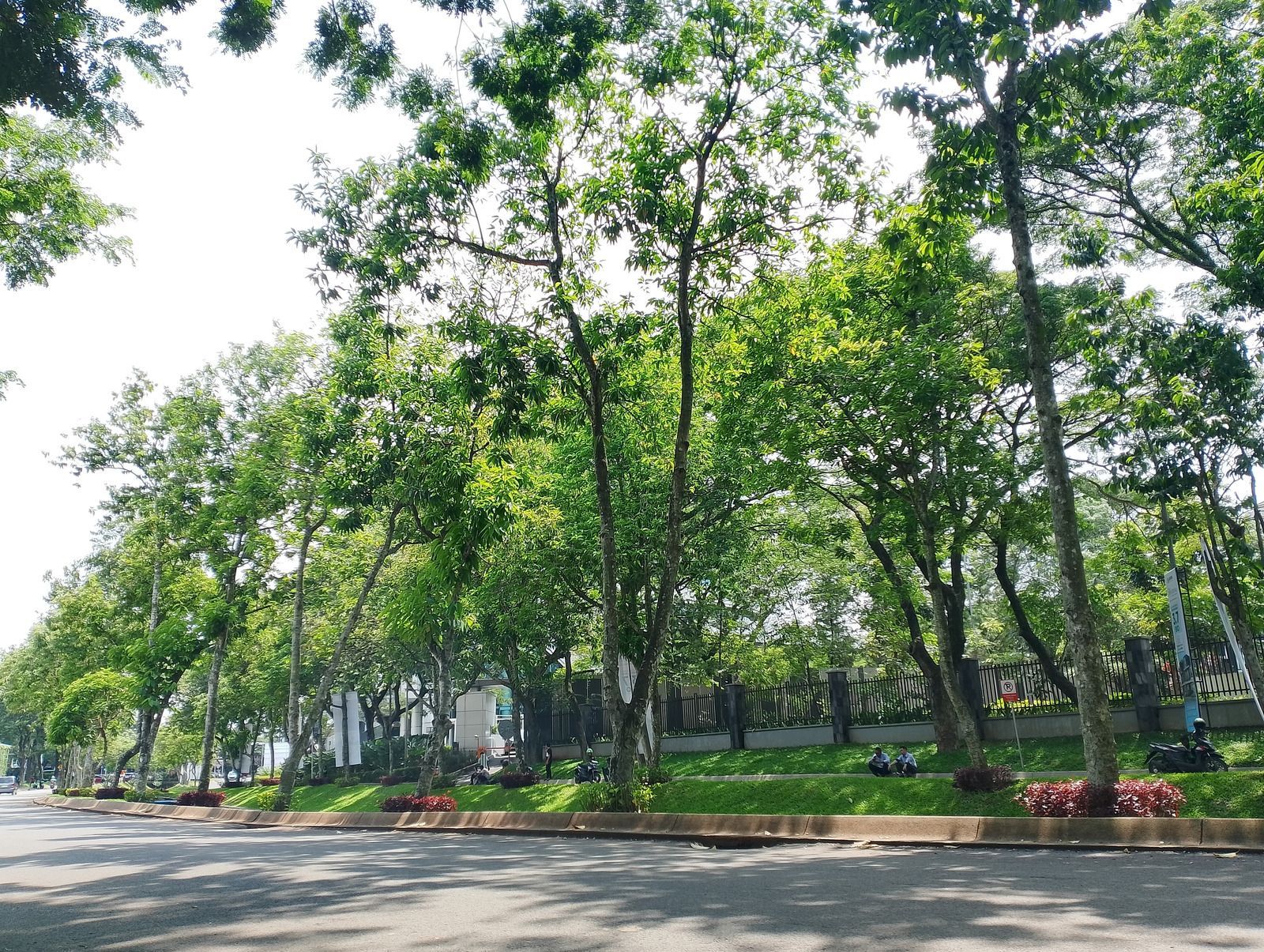
Urban planners incorporate trees into city parks, green belts, and stormwater management systems. Trees on embankments, near construction sites, and around urban lakes mitigate erosion caused by heavy rainfall, reduce sediment buildup in drainage systems, and enhance the aesthetic and environmental quality of urban spaces.
-
Forest Rehabilitation
In deforested or degraded landscapes, reforestation projects demonstrate the critical role of trees in soil restoration. Regions prone to landslides or desertification often benefit from strategic planting of native species. For instance, hillside reforestation in Mediterranean climates has reduced soil loss by more than 40%, demonstrating the long-term impact of tree-based erosion control.
Challenges in Tree-Based Erosion Prevention
Establishment Difficulties
Planting trees in erosion-prone areas presents challenges. Harsh soil conditions, limited water availability, and slope steepness can inhibit seedling establishment. Young trees require protection from grazing animals, pests, and extreme weather to survive until roots are strong enough to stabilize the soil.
Maintenance Considerations
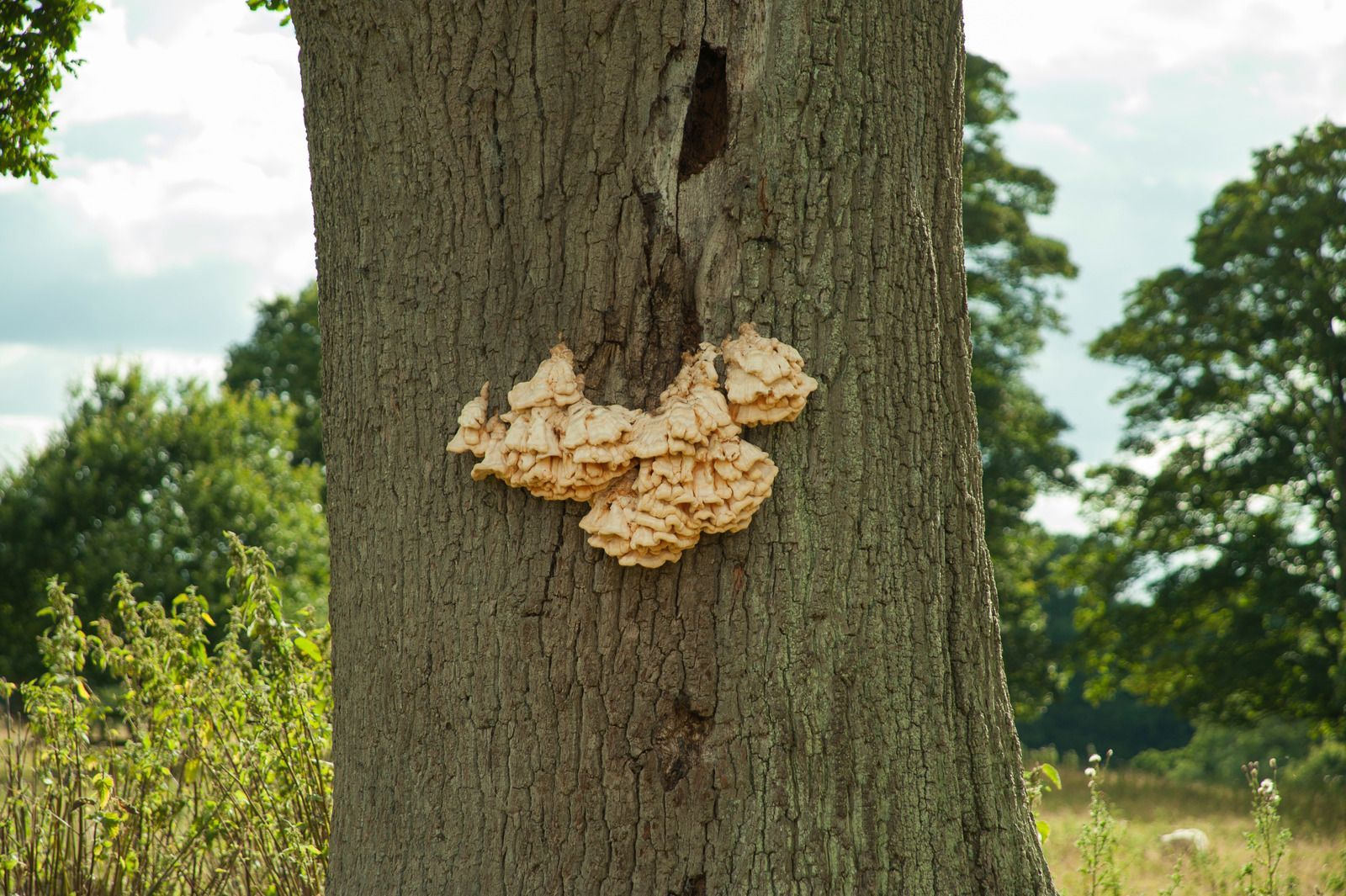
Maintaining tree cover for erosion control involves periodic pruning, replacement of failed trees, and monitoring for disease. Neglecting maintenance reduces effectiveness, as gaps in tree coverage allow soil erosion to occur unchecked.
Environmental and Social Factors
Selecting inappropriate species for a region can exacerbate erosion problems. Invasive or non-native trees may alter soil composition, water availability, and local biodiversity. Furthermore, social factors such as land ownership and community participation impact the success of tree planting initiatives. Collaborative planning and education are essential for long-term results.
Cost Implications
While trees offer long-term benefits, initial investment in planting, irrigation, and protection can be significant. Balancing cost with ecological effectiveness requires strategic planning, especially for large-scale erosion control projects. Incentives, government programs, and environmental grants can help offset these expenses and promote sustainable outcomes.
Best Practices for Tree Planting and Soil Conservation
List of Services
-
Site Assessment and PlanningList Item 1
Conducting a thorough site assessment is essential before planting. Evaluate soil type, slope gradient, rainfall patterns, and existing vegetation. Identify areas most susceptible to erosion and prioritize planting in those zones.
-
Strategic Planting TechniquesList Item 2
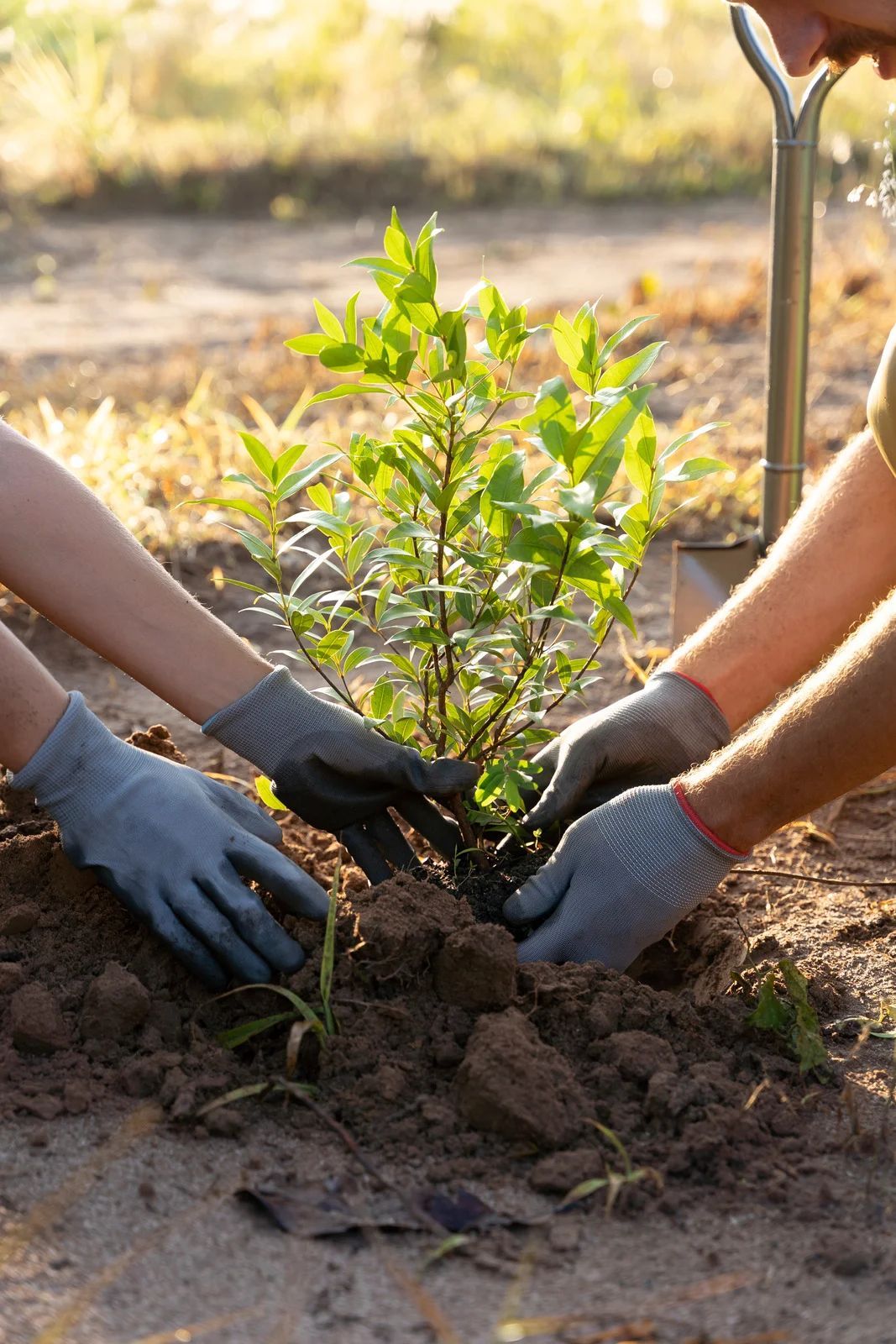
Contour planting along natural slopes, riparian buffer planting near waterways, and mixed-species arrangements enhance soil stability. Proper spacing ensures trees grow without competition while maximizing coverage for canopy interception and root reinforcement.
-
Mulching and Soil Amendments
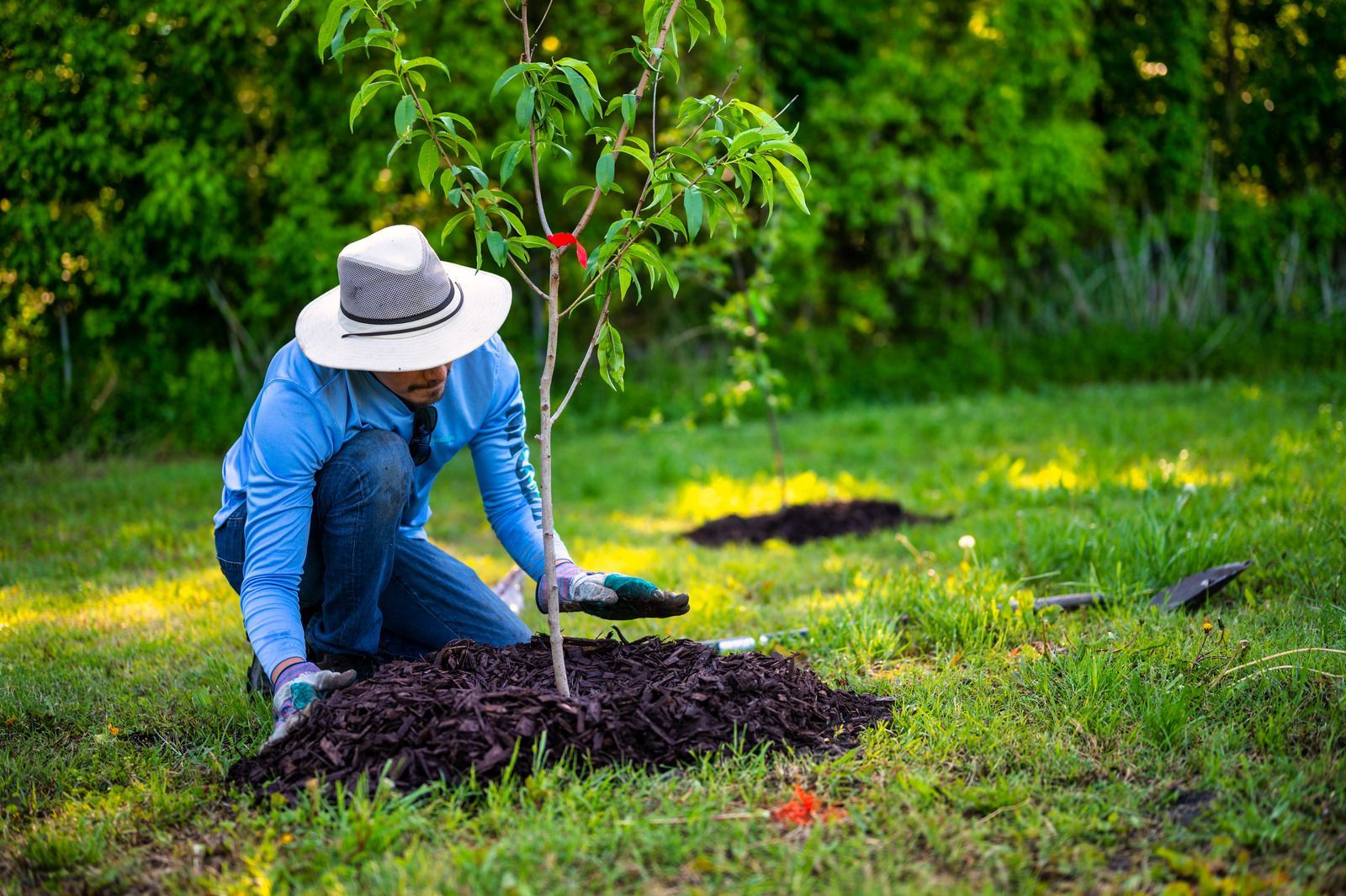
Applying mulch and organic matter around seedlings retains moisture, improves soil structure, and accelerates root development. Incorporating compost or natural soil amendments enhances fertility and resilience, providing additional protection against erosion.
-
Ongoing Monitoring
Regular inspection of planted areas ensures early detection of erosion hotspots, tree stress, or pest infestations. Adjustments, replacements, and reinforcement measures prevent small issues from becoming major problems.
-
Community Engagement and Education
Engaging local communities in planting and maintenance fosters long-term stewardship. Educational programs about soil conservation, water management, and sustainable land use ensure continued support and success for erosion prevention initiatives.
Professional Guidance on Maintaining Healthy Landscapes Naturally
Trees serve as a cornerstone in the fight against soil erosion. Through root systems that anchor the ground, canopies that reduce rainfall impact, and their ability to enhance water infiltration, trees naturally protect soil and preserve landscapes. Selecting appropriate species, employing strategic planting techniques, and integrating trees into both urban and rural planning magnify these benefits. While challenges such as maintenance, environmental considerations, and costs exist, thoughtful planning and sustainable practices ensure long-term soil stabilization and ecosystem health.
LD Tree Care, based in Sacramento, California, has been dedicated to protecting landscapes and enhancing soil stability for 15
years. With extensive experience in
tree planting, soil conservation, and environmental management, we provide tailored solutions to prevent erosion and maintain healthy land. By leveraging expertise in species selection, planting techniques, and long-term maintenance, we ensure every project strengthens soil integrity and supports sustainable landscapes. Our commitment to professionalism, quality, and proven results makes us a trusted authority for erosion prevention and tree care services in the Sacramento area.