The Importance of Tree Preservation in Urban Areas
Quick Answer: Urban trees are essential natural infrastructure that clean the air, manage stormwater, reduce city temperatures, and improve community health. One acre of mature trees produces enough oxygen for 18 people annually and absorbs pollutants that degrade air quality. As cities develop and grow, preserving existing trees and maintaining their health becomes critical to creating sustainable, livable neighborhoods.
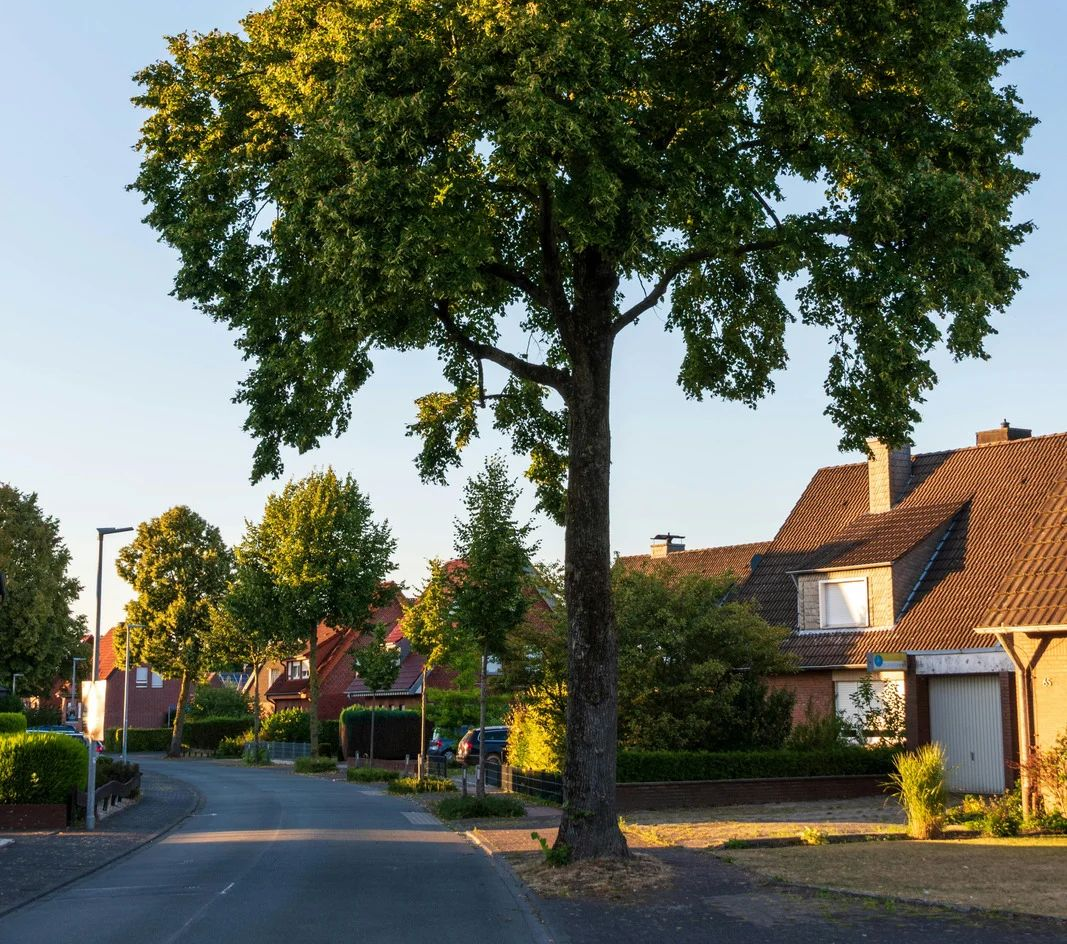
Walk through any mature urban neighborhood and you notice something different from newer developments without established trees. The streets feel cooler. The air smells fresher. Properties feel more connected to nature. These are not subtle perceptions. Mature urban trees are delivering measurable environmental and social benefits that newer construction sites without established canopy simply cannot provide. Yet urban tree preservation remains an overlooked priority in many growing communities, often treated as secondary to development goals rather than as essential infrastructure.
Urban trees represent accumulated value that takes decades to develop. A street tree that has grown for 40 years has root systems, canopy structure, and the ability to deliver services that a newly planted sapling cannot match for another generation. Losing established trees during development or failing to maintain them through neglect erases this accumulated benefit. Understanding what mature urban trees do for our communities makes clear why their preservation deserves serious attention.
How Urban Trees Clean the Air We Breathe
Particulate matter, nitrogen oxides, sulfur dioxide, and ozone accumulate in cities more than in surrounding rural areas. Urban trees intercept these pollutants directly. Leaves and bark surfaces trap airborne particles and pollutants. Trees also absorb carbon dioxide through photosynthesis and release oxygen as a byproduct. Studies show that mature tree canopy filters airborne pollution significantly more effectively than young trees still developing their crown structure.
The Oxygen Contribution
One acre of mature trees produces approximately enough oxygen for 18 people annually. In dense urban neighborhoods where green space is limited, this contribution from street trees and park trees becomes measurable. The combined effect of multiple established trees across a city district noticeably improves air quality.
Carbon dioxide Reduction
Trees function as natural carbon capture systems. As they grow, they store carbon in their wood and continue absorbing additional carbon from the atmosphere throughout their lives. The longer a tree survives in an urban setting, the more total carbon it sequesters over its lifetime. Young trees contribute to this process too, but the cumulative storage from mature trees far exceeds what newly planted trees can achieve in the same timeframe.
Pollutant Absorption
Air quality studies consistently document that neighborhoods with established tree canopy have lower concentrations of harmful pollutants than areas without substantial tree coverage. This benefit directly affects respiratory health outcomes for residents living and working in those neighborhoods.
Stormwater Management and Flood Prevention
Urban surfaces like roads, parking lots, sidewalks, and buildings are impervious. Water cannot soak into these surfaces, so rain runs off immediately into storm drains, overwhelm drainage systems, and creates flooding risks. Tree roots and surrounding soil intercept and absorb rainfall before it becomes problematic runoff.
Root Absorption and Infiltration
Tree roots create pathways that help water enter the soil. Established roots around mature trees improve rainfall absorption compared with compacted ground, slowing runoff, reducing flooding, and supporting natural filtration.
Stormwater Filtration
As water moves through soil, contaminants from roads, parking areas, and other urban surfaces can be filtered before reaching groundwater or waterways. This natural process supports cleaner streams, ponds, and aquifers.
Reduced Flooding Risk
Neighborhoods with substantial tree canopy can experience reduced flooding impacts during heavy rainfall. Foliage interception, soil infiltration, and stormwater absorption collectively reduce runoff reaching drainage systems during increasingly intense weather events.
Temperature Regulation and Urban Heat Island Mitigation
Cities experience a phenomenon called the urban heat island effect. Dark surfaces like asphalt and concrete absorb solar radiation and release that heat, causing urban temperatures to rise 1 to 7 degrees Fahrenheit higher than surrounding rural areas. This excess heat increases energy demands for cooling, creates health risks during extreme heat events, and reduces outdoor comfort during hot months.
Shade and Evaporative Cooling
Tree canopies block solar radiation from buildings and pavement. Leaves also release water vapor through transpiration, creating evaporative cooling that lowers temperatures beneath and around mature trees during hot weather.
Energy Demand Reduction
Buildings shaded by mature trees, particularly on southern and western sides, can require less air conditioning during hot months. Lower cooling demand reduces utility costs and eases pressure on electrical grids.
Community Health Benefits
Urban heat islands can increase health risks during heat waves, especially for vulnerable populations. Established tree canopy lowers temperature extremes and creates cooler outdoor spaces where residents can safely spend time.
Biodiversity Support and Wildlife Habitat
Urban development removes natural forest ecosystems, wetlands, and grasslands where wildlife depends on diverse plants for food and shelter. Urban trees partially restore habitat functions by providing food sources, nesting sites, and shelter for birds, insects, and small mammals.
Bird and Pollinator Habitat
Trees provide nesting sites, shelter, and feeding areas for birds and insects. Migrating species also rely on urban trees for food and protection while moving through developed areas.
Food Sources and Foraging
Trees produce fruits, nuts, seeds, flowers, and bark that feed insects, birds, mammals, and people. Diverse food sources support healthier populations of beneficial wildlife throughout the year.
Ecosystem Connectivity
Individual trees and small groups create connections across otherwise developed urban landscapes. Street trees, parks, and green spaces form wildlife corridors that support movement, genetic diversity, and healthier populations.
Mental and Physical Health Benefits for Residents
Urban trees influence human health directly through air quality improvements and temperature regulation, but also through psychological and behavioral effects. People living in neighborhoods with visible tree canopy report higher life satisfaction, lower stress levels, and better mental health outcomes than those in tree-free environments.
Stress Reduction and Mental Health
Access to tree-filled green spaces is associated with lower stress and improved mental well-being. Natural views may also support recovery, productivity, and fewer sick days in some settings.
Physical Activity Motivation
Neighborhoods with established tree canopy and shade can feel more comfortable for outdoor activity during hot weather. Residents may be more inclined to walk, exercise, and spend time outside.
Community Connection
Trees create gathering spaces and recognizable landmarks that contribute to neighborhood identity. Mature trees can become valued community features, encouraging social interaction, local engagement, and stronger connections among residents.
The Challenge of Urban Tree Survival
Urban environments create stress factors that forest trees never encounter. Compacted soil restricts root growth and water absorption. Air pollution, de-icing salts, heat reflection from pavement, and limited soil volume all reduce tree longevity. Urban trees typically live 20 to 30 years before declining, while forest-grown trees of the same species commonly live 200 to 300 years.
Soil Compaction Problems
Construction, vehicles, and foot traffic compact soil around trees, reducing air and water movement. Restricted pore space limits fine roots, increasing drought stress and accelerating decline in affected trees.
Limited Growing Space
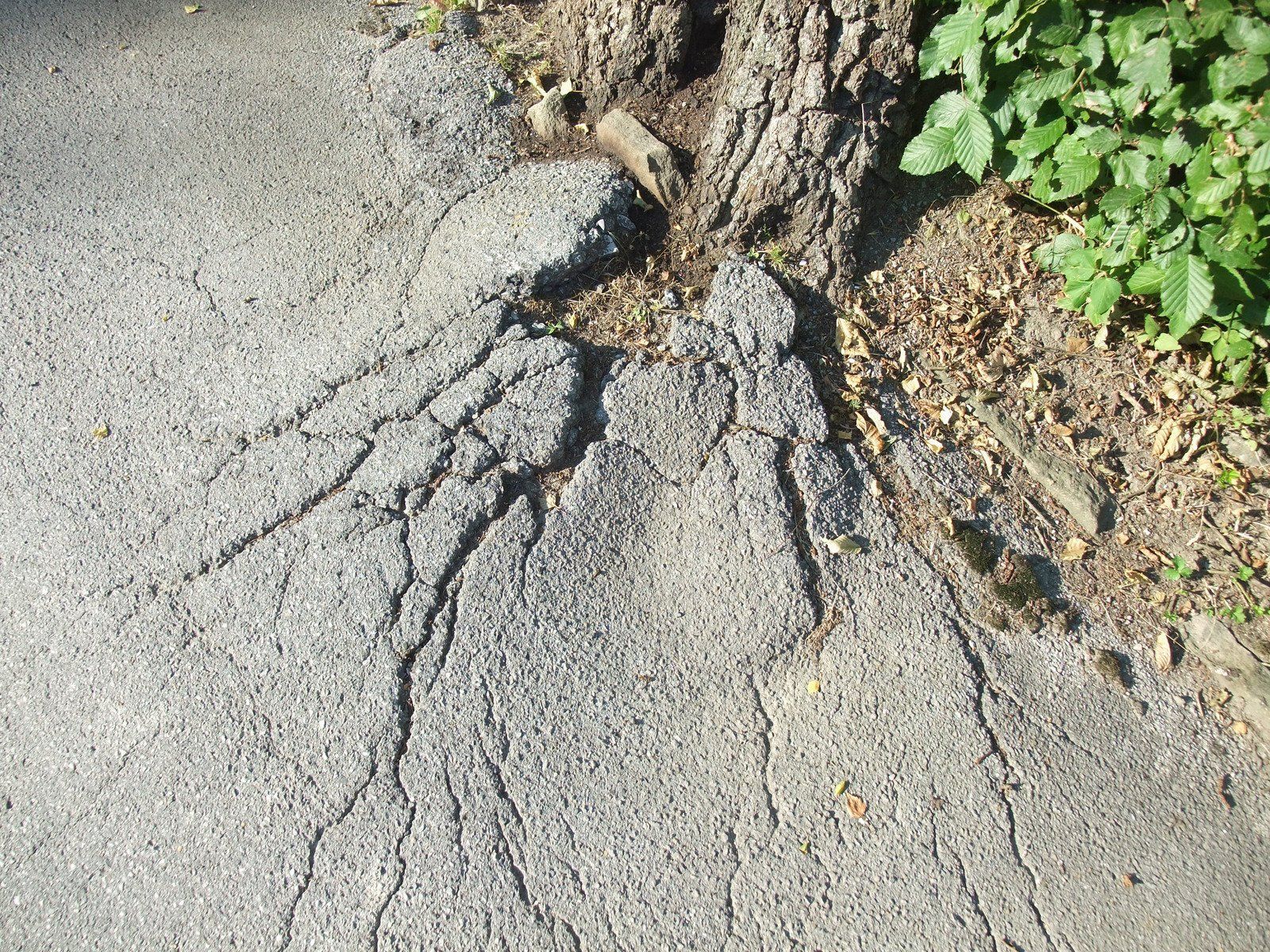
Urban trees often grow in confined areas with shallow soil. Pavement, utilities, and foundations restrict root expansion, limiting the water and nutrient absorption capacity needed for long-term tree health.
Maintenance Deficit
Many urban trees receive little maintenance after planting. Without adequate watering, structural pruning, and pest or disease monitoring, young trees can experience stress, decline, and premature health problems before maturity.
Maintenance and Care as Preservation Strategy
Preserving urban trees requires more than leaving them alone. Active management through regular maintenance, appropriate planting techniques, and thoughtful species selection is necessary to help urban trees survive and thrive in challenging conditions.
Pruning for Health and Structure
Regular pruning removes dead, weak, crossing, and inward-growing branches. Developing stronger branch structure improves storm resistance, reduces decay risks, and helps trees remain healthy while requiring fewer emergency interventions.
Soil Improvement and Care
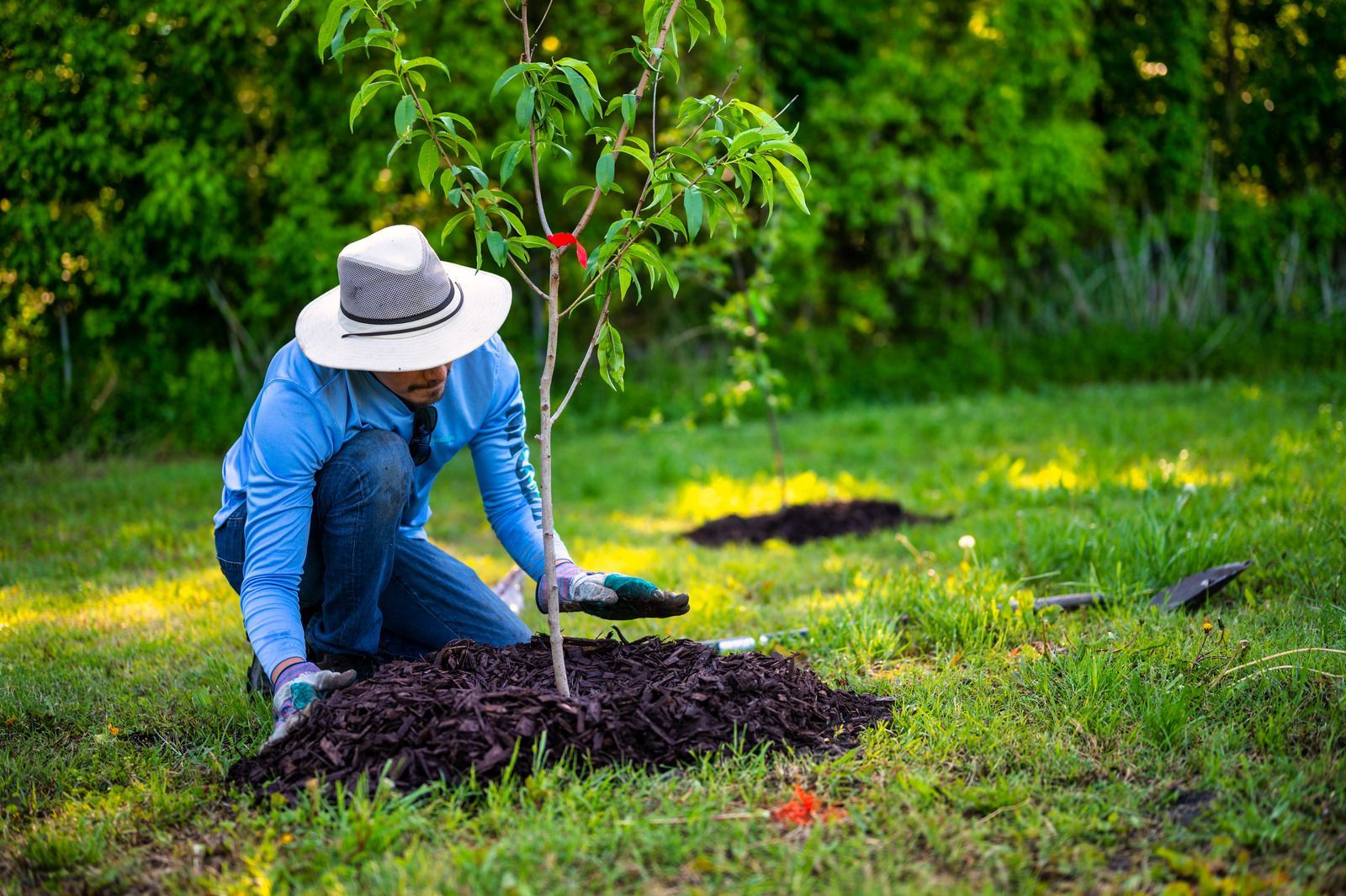
Mulch protects soil around established trees from compaction while helping retain moisture. Where needed, soil decompaction or amendment can improve growing conditions and potentially extend a tree's productive life.
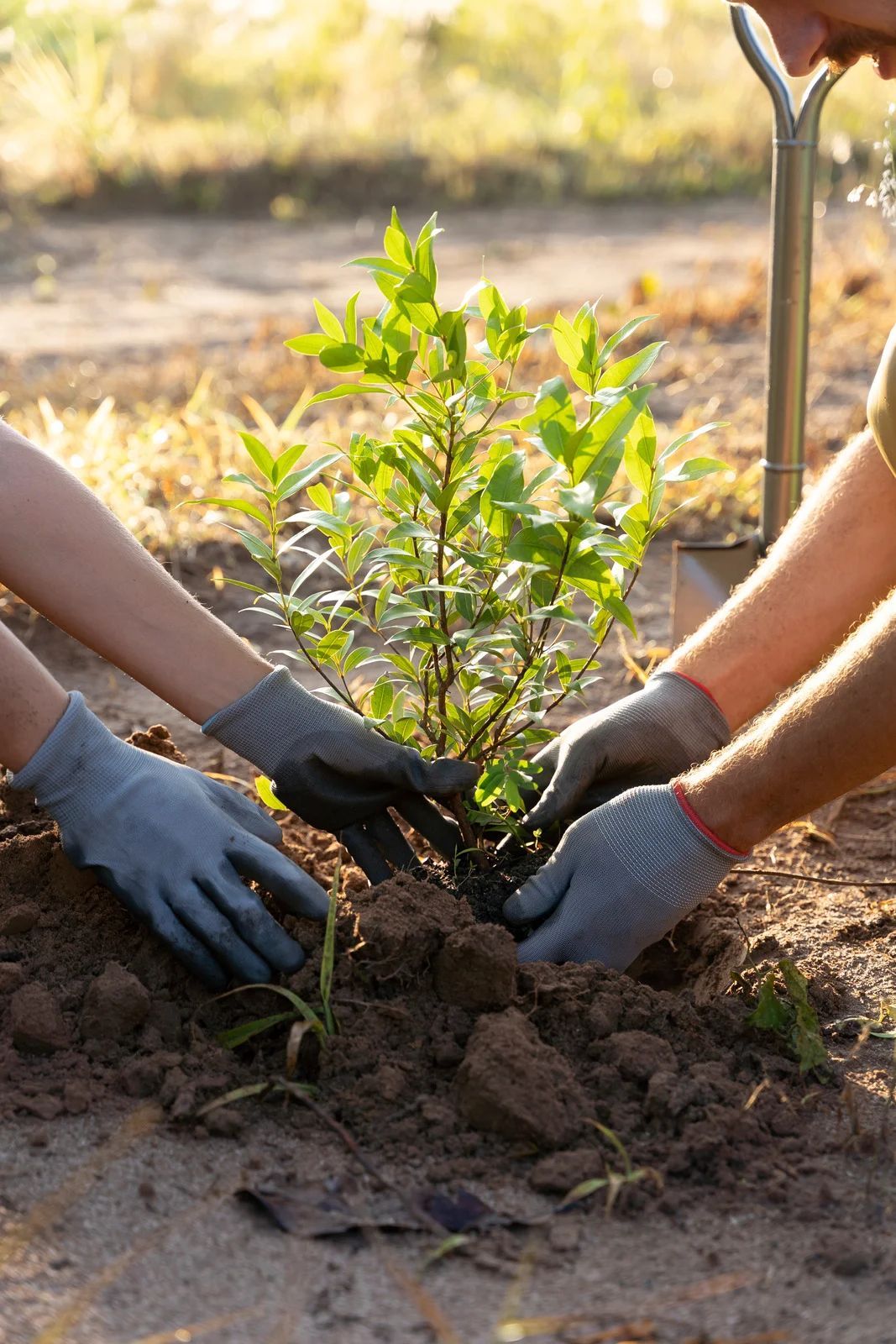
Establishment Care for New Trees
Young trees need consistent watering during their first two to three years while roots develop. Monitoring for pests, disease, and structural issues allows problems to be addressed before becoming severe.
Species Selection for the Site
Selecting species suited to local soil, moisture, and climate conditions improves survival. Trees tolerant of heat, pollution, and compacted soil generally perform better than species poorly matched to urban environments.
Opportunities for Urban Tree Preservation
Urban planning and development decisions directly impact whether established trees survive and thrive. Communities that prioritize tree preservation through site design, development guidelines, and maintenance commitment create neighborhoods with better environmental quality and quality of life than those that treat trees as secondary.
Site Design That Protects Existing Trees
Thoughtful development planning can preserve high-quality existing trees instead of removing them for convenience. Construction barriers and ongoing protection allow projects to retain mature canopy and immediate environmental benefits.
Ongoing Maintenance Programs
Cities and property owners with regular pruning and tree-care programs generally support better tree survival and health. Continuous monitoring and stewardship provide more consistent results than occasional, one-time maintenance.
Community Engagement and Stewardship
Residents who understand tree benefits and feel connected to neighborhood greenery are more likely to participate in preservation. Planting events, stewardship programs, and public education can encourage long-term community involvement.
Frequently Asked Questions
Why do urban trees die so quickly compared to forest trees?
Urban trees face stressors: compacted soil, air pollution, heat, and limited root space. They live 20 to 30 years versus 200+ for forest trees. Active management through pruning and soil care significantly extends their lifespan.
How long does it take for a newly planted tree to provide the same benefits as a mature tree?
A newly planted tree takes 30 to 40 years to provide mature tree benefits. During establishment, it develops root systems and canopy structure. Preserving existing trees remains far more valuable than relying on new plantings.
Can urban trees in containers or small planting pits provide the same benefits as trees with larger root zones?
Trees in constrained spaces provide fewer benefits than adequate root zones. Limited soil prevents large root development and water absorption. Constrained trees live shorter lifespans and reach smaller sizes. Deep uncompacted soil produces healthier trees.
What is the best way to protect existing trees during construction or development?
Professional tree protection includes fencing to prevent soil compaction, avoiding root trenching, and minimizing trunk damage. Trees need monitoring and care after construction to ensure recovery. Professional arborists assess condition and recommend appropriate care strategies.
How often should established urban trees be pruned?
Most healthy urban trees benefit from professional pruning every 3 to 5 years. Younger trees need frequent pruning to develop strong structure. Mature trees benefit from periodic assessments and removal of problematic growth or disease.
What should communities do to prioritize tree preservation in urban planning?
Communities can establish tree preservation ordinances protecting trees of certain sizes. Soil standards ensure new trees have adequate space. Guidelines require preserving healthy existing trees instead of automatic removal. Municipal investment ensures ongoing tree care.
Essential Infrastructure for Livable Cities
The value of urban trees accumulated over decades cannot be quickly replaced. While new tree planting programs play an important role in expanding overall canopy, preserving and maintaining existing mature trees should be a priority equal to or greater than planting initiatives. LD Tree Care, serving Sacramento, CA, and surrounding areas for over 15 years, recognizes that communities investing in urban tree health create neighborhoods with cleaner air, better stormwater management, cooler temperatures, and residents with stronger connection to their neighborhoods.
As cities continue growing and densifying, the mature trees already established in our neighborhoods become increasingly valuable, not less valuable. Their preservation is not a luxury but a practical necessity for sustainable, healthy urban living. By protecting mature trees and investing in their ongoing care, communities ensure that current and future residents benefit from the environmental services, temperature regulation, stormwater management, and improved quality of life that only established trees can provide. This commitment to preservation defines truly livable cities.