Eco-Friendly Ways to Recycle and Reuse Tree Waste
Tree care and landscaping projects generate a significant amount of organic waste, from fallen branches and pruned limbs to stumps, leaves, and wood chips. Traditionally, much of this material has been hauled to landfills or burned, contributing to greenhouse gas emissions and unnecessary disposal costs. However, as environmental regulations tighten and sustainability becomes a priority across industries, eco-friendly ways to recycle and reuse tree waste are gaining attention. Property owners, municipalities, and tree care professionals are recognizing that what was once considered waste is, in fact, a valuable natural resource. The shift toward greener waste management practices reflects a broader industry commitment to reducing carbon footprints and improving environmental accountability. As communities grow and urban development expands, responsible handling of tree debris has become an essential part of modern landscape management.
Recycling and reusing tree waste not only reduces environmental impact but also supports soil health, landscaping efficiency, and even renewable energy production. Sustainable tree waste management aligns with modern environmental standards, promotes circular economy practices, and enhances long-term land stewardship. By understanding practical recycling methods and responsible reuse strategies, individuals and businesses can transform organic debris into functional, eco-conscious solutions that benefit both the environment and their bottom line. These practices also help lower disposal expenses, reduce strain on local waste facilities, and create opportunities for resource recovery. When implemented strategically, eco-friendly tree waste recycling strengthens both environmental performance and operational efficiency across residential and commercial properties.
1. Turning Tree Waste into Nutrient-Rich Mulch
The Environmental Value of Mulching
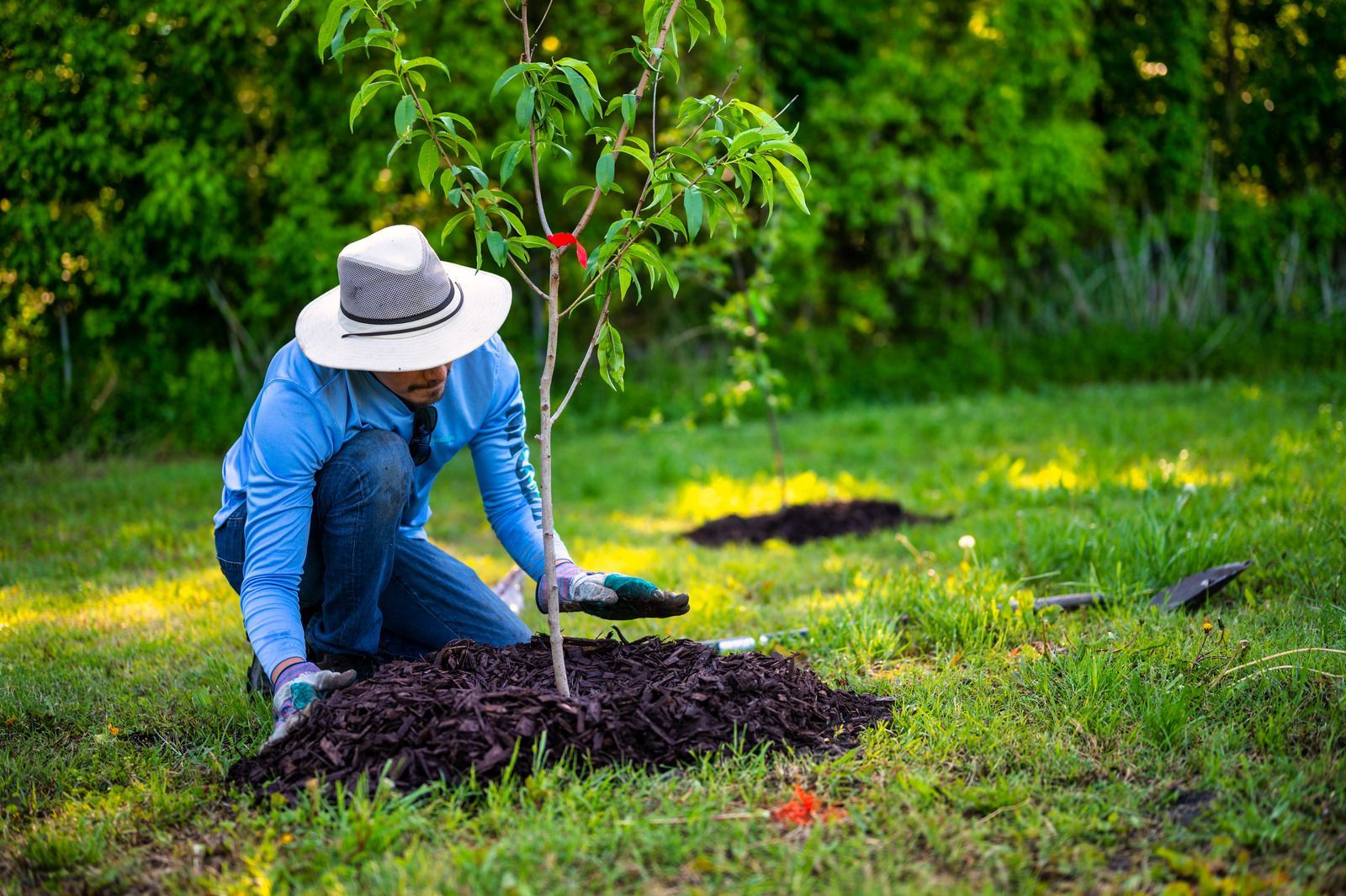
One of the most effective eco-friendly ways to recycle tree waste is by converting branches, bark, and leaves into mulch. Mulching reduces landfill dependency while returning organic matter to the soil. Wood chips and shredded bark decompose gradually, improving soil structure, retaining moisture, and suppressing weeds.
In urban and suburban landscaping, mulch plays a crucial role in conserving water. By covering exposed soil around trees and plants, it minimizes evaporation and stabilizes soil temperature. This is particularly important in regions prone to drought conditions or water restrictions.
Best Practices for Safe and Effective Mulch Production
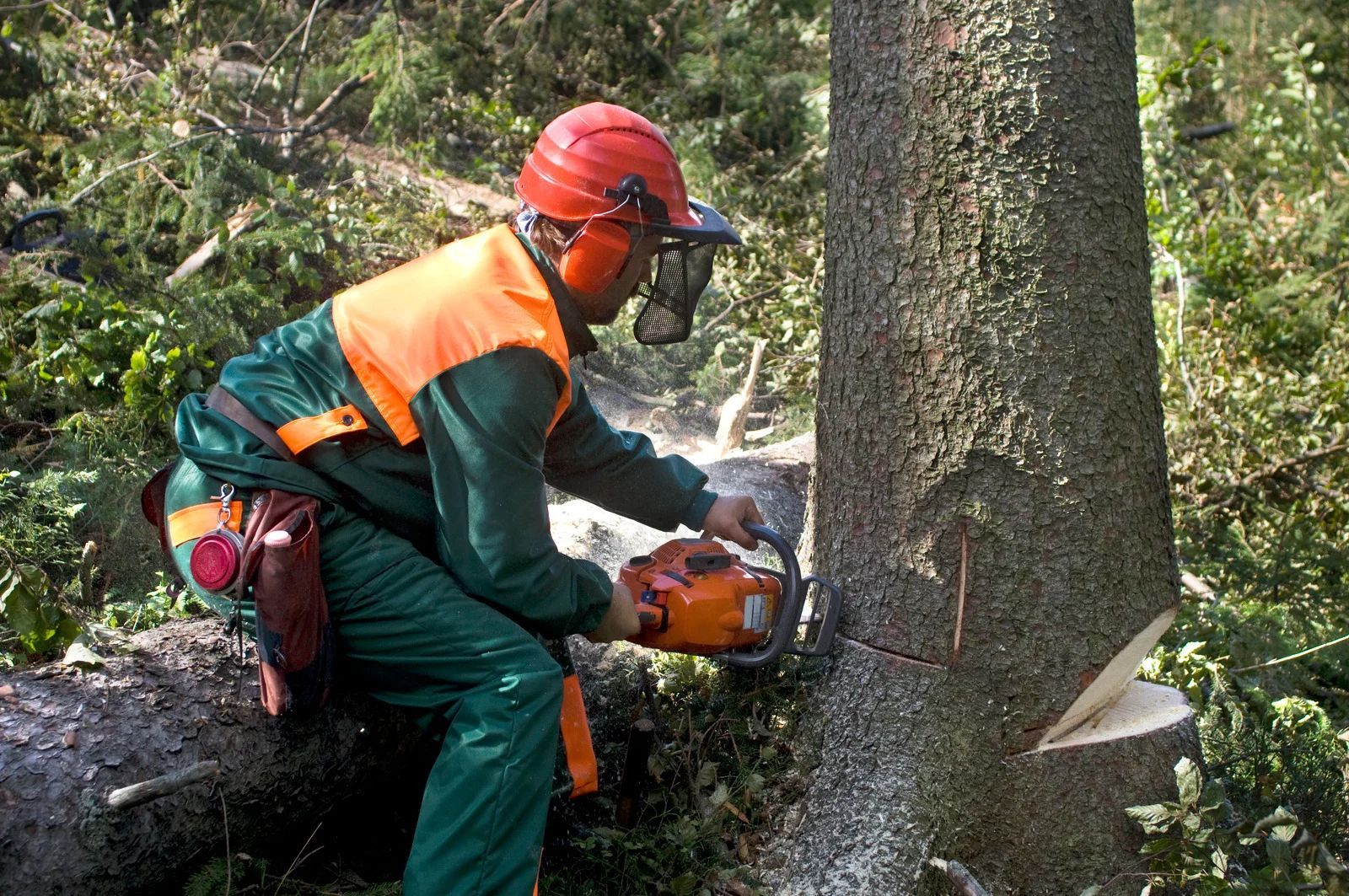
Not all tree waste is suitable for immediate mulching. Diseased wood, invasive species, or chemically treated materials require careful handling to avoid spreading pathogens or contaminants. Professional tree services often use industrial chippers to create consistent, high-quality mulch suitable for landscaping and garden beds.
For homeowners, smaller chippers or municipal composting programs provide accessible solutions. Applying mulch at a depth of two to four inches ensures optimal results without suffocating plant roots. When managed correctly, mulching represents a low-cost, high-impact method for sustainable tree waste recycling.
2. Composting Leaves and Organic Debris
List of Services
-
Converting Tree Waste into Soil EnrichmentList Item 1
Composting is another practical and environmentally responsible method of recycling tree waste. Fallen leaves, small twigs, and green clippings break down naturally when combined with nitrogen-rich materials such as grass clippings or food scraps. The result is compost—an organic soil amendment that enhances fertility and promotes microbial activity.
Composting diverts substantial organic waste from landfills, where decomposition would otherwise generate methane, a potent greenhouse gas. By composting on-site or through municipal programs, communities significantly reduce their carbon footprint.
-
Establishing Efficient Compost SystemsList Item 2
A successful compost system requires proper balance between carbon-rich “brown” materials (dry leaves, wood chips) and nitrogen-rich “green” materials (fresh clippings). Aeration and moisture control are essential to accelerate decomposition and prevent odors.
In commercial landscaping operations, large-scale composting facilities process significant volumes of tree waste efficiently. For residential properties, compost bins or backyard piles provide manageable alternatives. Regular turning of the compost pile improves oxygen flow and speeds breakdown.
The finished compost can be applied to lawns, garden beds, and agricultural fields, creating a closed-loop system where tree waste directly contributes to healthier plant growth.
3. Repurposing Wood for Functional and Decorative Uses
Sustainable Lumber and DIY Applications
Larger tree trunks and thick branches can be repurposed into lumber, firewood, or custom wood products. Rather than discarding usable wood, many property owners choose to mill fallen trees into planks for furniture, fencing, or structural elements.
Urban wood reuse initiatives have grown in popularity, especially after storms or necessary tree removals. Salvaged wood from responsibly managed properties reduces demand for newly harvested timber, supporting forest conservation efforts.
Homeowners often repurpose tree sections into garden borders, raised beds, or rustic outdoor seating. These applications extend the life cycle of the material and prevent unnecessary disposal.
Firewood and Biomass Energy
Seasoned firewood provides renewable heating fuel when harvested responsibly. Proper drying and storage reduce smoke emissions and improve combustion efficiency. For larger-scale operations, tree waste can be processed into biomass fuel for power generation.
Biomass facilities convert wood chips and organic debris into electricity or heat, offering an alternative to fossil fuels. While this method requires infrastructure investment, it represents a viable solution for municipalities managing substantial tree waste volumes.
Careful sourcing and processing ensure that biomass production remains environmentally sustainable and does not encourage excessive tree removal.
4. Using Tree Waste for Erosion Control and Habitat Restoration
List of Services
-
Natural Erosion BarriersList Item 1
Tree waste materials such as logs, branches, and wood chips can serve as effective erosion control tools. In areas with exposed soil or slopes, strategically placed logs help slow water runoff and stabilize terrain.
Wood chip mats are frequently used in construction sites and landscaping projects to reduce sediment movement. This approach prevents soil loss and protects nearby waterways from contamination.
By reusing organic debris on-site, contractors reduce hauling costs while improving environmental compliance with local regulations.
-
Supporting Wildlife and BiodiversityList Item 2
Tree waste can also contribute to habitat restoration. Fallen logs and brush piles create shelter for insects, birds, and small mammals. In forested or rural areas, leaving certain organic materials in place supports ecosystem balance.
Pollinators and decomposers benefit from decaying wood, which fosters biodiversity and nutrient cycling. Rather than viewing tree waste solely as debris, sustainable land management recognizes its ecological value.
Strategic reuse in conservation areas enhances environmental resilience and aligns with modern ecological restoration practices.
5. Innovative Recycling Solutions in Urban Environments
Community Wood Recycling Programs
Many cities now implement tree recycling programs to manage green waste responsibly. Municipal collection services gather branches and yard debris, transporting them to processing facilities where materials are chipped, composted, or repurposed.
Community mulch giveaways encourage residents to participate in sustainable landscaping. These programs reduce landfill burden and foster environmental awareness.
Urban forestry departments often collaborate with recycling facilities to ensure responsible handling of tree waste generated from public maintenance.
Challenges and Industry Considerations
Despite clear benefits, eco-friendly tree waste management presents logistical challenges. Transportation costs, equipment investment, and contamination risks must be carefully managed. Additionally, public education is essential to prevent improper disposal of treated wood or invasive species.
Industry professionals emphasize the importance of proper assessment before recycling. Identifying hazardous materials, ensuring safe processing, and complying with environmental regulations require expertise and planning.
However, as sustainability standards continue to evolve, eco-friendly tree waste recycling is becoming a core component of responsible land management. Businesses and property owners that adopt these practices position themselves as environmentally conscious leaders within their communities.
6. Best Practices for Sustainable Tree Waste Management
List of Services
-
On-Site Recycling StrategiesList Item 1
Whenever possible, processing tree waste on-site reduces transportation emissions and disposal fees. Mobile chippers, stump grinders, and mulching equipment allow immediate conversion of debris into usable material.
On-site recycling also minimizes disruption to surrounding areas. For example, grinding a stump into mulch eliminates the need for chemical treatments or excavation, preserving soil integrity.
Planning ahead is essential. Assessing tree health, material volume, and potential reuse options before removal ensures efficient resource allocation.
-
Partnering with Experienced ProfessionalsList Item 2
Eco-friendly recycling efforts are most effective when guided by knowledgeable professionals. Certified arborists and experienced tree care providers understand proper disposal techniques, disease prevention protocols, and environmental regulations.
Working with reputable experts ensures that tree waste is managed responsibly and efficiently. From mulching to wood repurposing and biomass coordination, professional oversight enhances safety and sustainability.
By integrating best practices, communities and property owners can transform tree waste management into a proactive, environmentally responsible strategy that delivers long-term ecological and economic benefits.
Experienced Professionals Committed to Sustainable Tree Care
Recycling and reusing tree waste is no longer an optional sustainability effort but a necessary component of responsible land management. From converting debris into nutrient-rich mulch and compost to repurposing wood for functional applications, eco-friendly solutions reduce landfill dependency and strengthen environmental stewardship. Strategic reuse also supports soil health, erosion control, habitat restoration, and renewable energy initiatives. As environmental awareness grows, property owners and industry professionals must prioritize sustainable practices that maximize the value of organic materials.
Effective tree waste recycling requires planning, expertise, and a commitment to environmentally sound methods. By implementing best practices and leveraging innovative recycling programs, communities can significantly reduce their carbon footprint while enhancing long-term landscape resilience.
With 15
years of hands-on experience, LD Tree Care
in Sacramento, California, understands the importance of responsible tree waste management. The company approaches every project with sustainability in mind, ensuring that tree trimming, removal, and maintenance services align with eco-friendly principles. By prioritizing recycling, mulching, and proper material reuse, LD Tree Care
helps clients reduce environmental impact while maintaining safe and healthy landscapes. Their knowledgeable team applies industry best practices, ensuring compliance with environmental regulations and delivering dependable, professional results. For property owners seeking environmentally responsible tree services, LD Tree Care
stands as a trusted authority committed to quality, sustainability, and long-term landscape health.