Tree Planting Guide: Best Trees for Your Climate
Selecting the right tree for your landscape requires more than just aesthetic preference—it demands a deep understanding of the climate, soil conditions, and long-term growth patterns. Trees are not only a visual enhancement to any property; they contribute significantly to air quality, shade, wildlife habitats, and even energy efficiency. Planting a tree without considering the local environment can result in stunted growth, disease susceptibility, or premature death. Choosing species that thrive in specific climates ensures healthier landscapes, reduces maintenance costs, and maximizes the ecological benefits of urban and rural greenery.
Understanding climate zones, rainfall patterns, temperature fluctuations, and soil types forms the foundation for successful tree planting. For instance, a tree that flourishes in a temperate zone may struggle in areas with prolonged drought or extreme heat. Likewise, soil pH and drainage can significantly influence root development and nutrient absorption. By carefully evaluating these factors and selecting species adapted to local conditions, landscapes gain long-lasting resilience. This guide provides actionable insights on choosing trees suited for different climates, planting best practices, and maintenance strategies to ensure trees thrive for generations.
Understanding Climate Zones and Their Impact on Tree Selection
Recognizing Your Climate Zone
Climate zones are critical in determining which tree species will thrive. These zones are based on average temperatures, seasonal rainfall, frost occurrences, and extreme weather events. The United States, for example, is divided into USDA Hardiness Zones, ranging from 1 (coldest) to 13 (warmest). Each zone indicates the minimum temperatures that plants can withstand, helping to identify trees capable of surviving harsh winters or extreme heat. Identifying the correct zone ensures tree species selection aligns with natural environmental conditions, reducing stress and the need for excessive care.
Effects of Microclimates
Even within a defined climate zone, microclimates can create variations that impact tree growth. Urban areas with heat islands, low-lying valleys prone to frost, and areas with high wind exposure each present unique challenges. Recognizing these variations allows for targeted planting strategies. For instance, wind-resistant species such as oaks or pines are better suited to exposed areas, while moisture-loving trees thrive in shaded or lowland locations with consistent water availability.
Matching Trees to Climate
Aligning tree selection with climate involves evaluating temperature tolerances, seasonal rainfall, and humidity preferences. Drought-tolerant species such as desert willows and mesquites are ideal for arid regions, while maple and birch species perform well in cooler, temperate zones. Understanding these requirements minimizes failure rates, enhances growth potential, and ensures trees deliver the expected ecological and aesthetic benefits.
Soil Considerations for Optimal Tree Growth
List of Services
-
Determining Soil TypeList Item 1
Soil composition significantly influences root development, water retention, and nutrient absorption. Common soil types include sandy, clay, loamy, and silt. Sandy soils drain quickly but may lack nutrients, while clay soils retain water but risk root suffocation if not properly managed. Loamy soils are ideal due to their balanced texture, promoting robust growth for a wide range of tree species. Conducting a simple soil test can determine pH, nutrient levels, and texture, providing essential information for tree selection.
-
Soil pH and Nutrient ManagementList Item 2
Different tree species prefer varying pH levels and nutrient availability. Acid-loving trees, such as dogwoods and azaleas, flourish in lower pH soils, whereas most deciduous trees prefer neutral to slightly alkaline conditions. Nutrient deficiencies, including nitrogen, phosphorus, or potassium, can stunt growth, weaken disease resistance, and reduce foliage density. Amending soil based on test results ensures a healthier planting environment.
-
Improving Soil Conditions
Amending soil with compost, mulch, and organic matter improves drainage, aeration, and nutrient availability. Raised beds, strategic grading, and proper irrigation techniques further enhance root health. For instance, incorporating coarse sand into clay-heavy soils can prevent waterlogging, while adding organic mulch helps retain moisture in sandy soils. Prioritizing soil preparation before planting ensures trees establish quickly and maintain vitality over the long term.
Selecting Trees for Regional Climates
Trees for Hot, Arid Climates
In regions with high temperatures, low rainfall, and prolonged drought, selecting drought-tolerant trees is critical. Species such as mesquite, palo verde, and desert willow thrive under these conditions, exhibiting deep root systems and efficient water usage. Planting native species provides additional benefits, including reduced maintenance and increased resilience against pests and diseases. Choosing deciduous varieties can provide summer shade while allowing sunlight during cooler months.
Trees for Temperate Zones
Temperate climates with moderate rainfall and seasonal changes accommodate a variety of deciduous and evergreen species. Maples, oaks, birches, and pines flourish under these conditions, offering strong aesthetic appeal and ecological benefits. Proper spacing and understanding growth rates prevent overcrowding and competition for sunlight and nutrients. Seasonal considerations, such as frost resistance and winter hardiness, are key to successful establishment.
Trees for Cold Climates
Cold climates require species capable of withstanding prolonged frost, snow, and sub-zero temperatures. Conifers such as spruces, firs, and pines demonstrate resilience, while deciduous species like aspens and certain maples can survive harsh winters. Planting near natural windbreaks or protected areas reduces frost damage, while mulching and soil insulation support root health during freezing conditions.
Trees for Coastal and Humid Areas
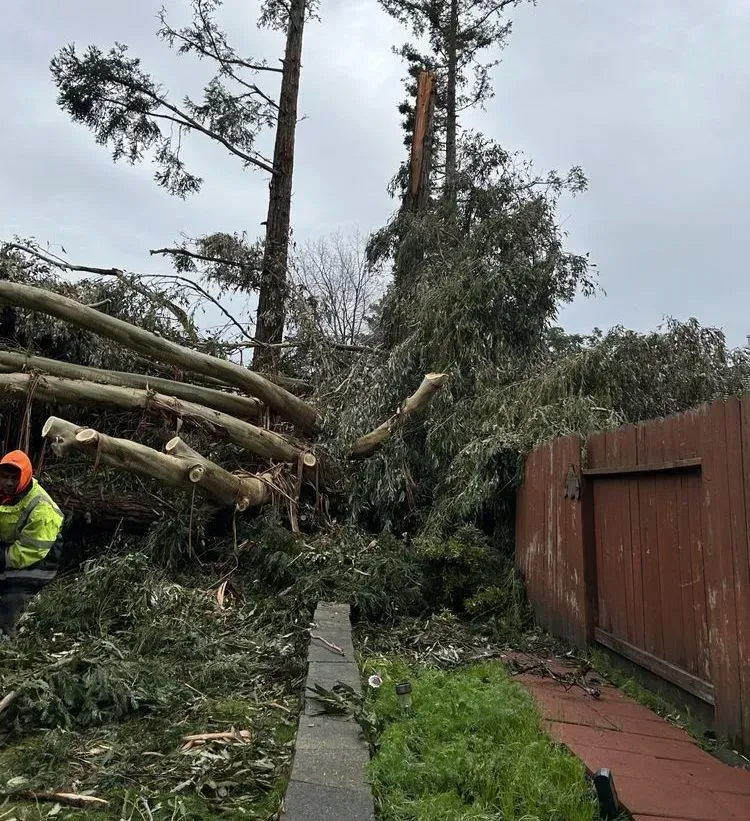
High humidity, saline air, and occasional storms define coastal and tropical regions. Salt-tolerant species, including bald cypress, live oak, and mangroves, provide stability and prevent erosion in these areas. Proper species selection also mitigates disease risks associated with excessive moisture, such as fungal infestations. Incorporating trees with flexible branches and strong root systems ensures resistance to high winds and storm damage.
Best Practices for Tree Planting
List of Services
-
Proper Planting TechniquesList Item 1
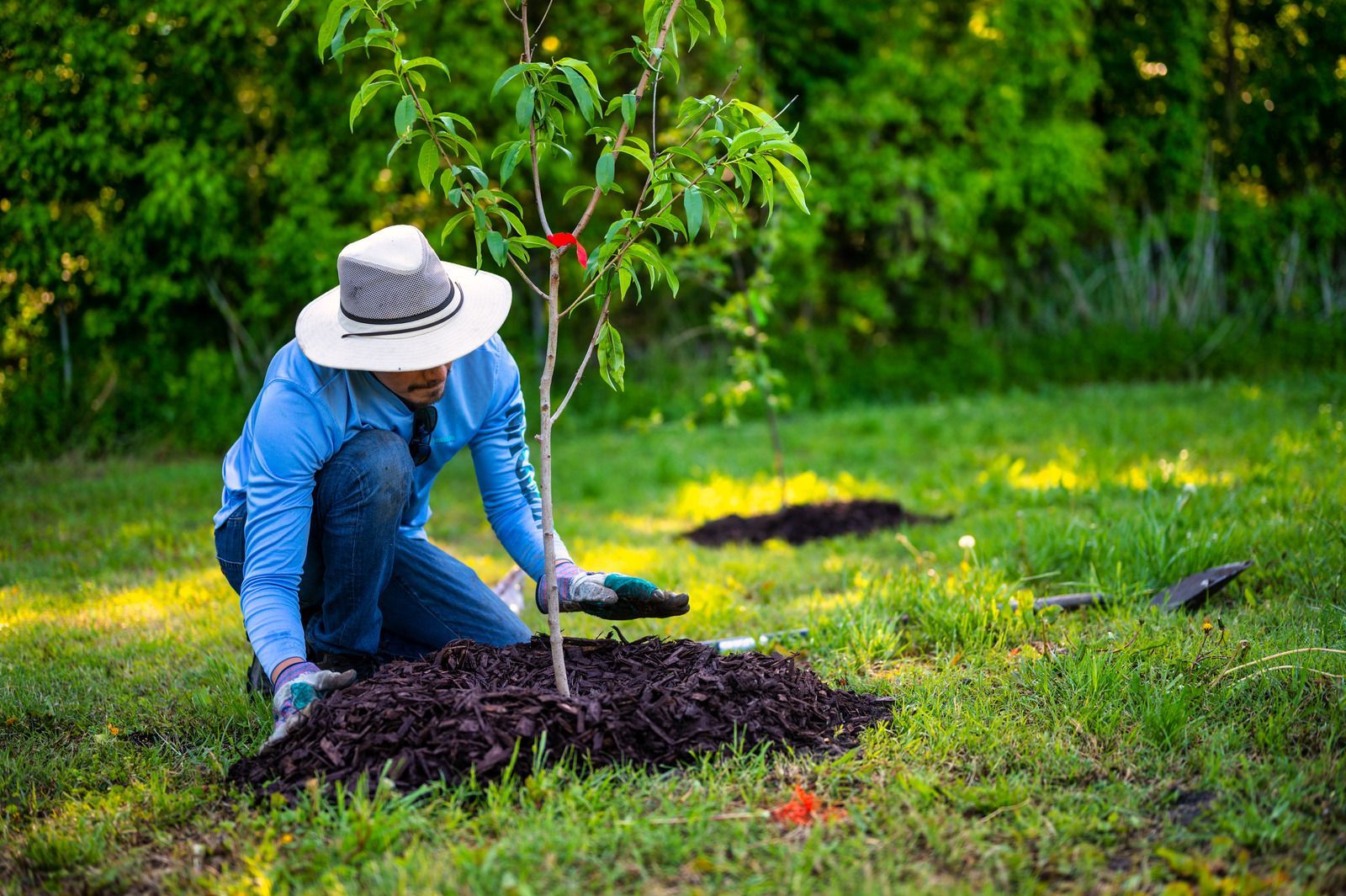
Tree survival and growth depend heavily on proper planting methods. Begin by selecting healthy, disease-free saplings with well-developed root systems. Dig a hole two to three times wider than the root ball to encourage lateral root expansion. Avoid planting too deeply; the top of the root ball should align with or slightly above ground level to prevent suffocation and root rot.
-
Watering and MulchingList Item 2
Adequate watering is essential during the first two years of establishment. Deep, infrequent watering encourages deep root growth, while frequent shallow watering fosters weak surface roots. Mulching with organic material such as wood chips or bark conserves moisture, regulates soil temperature, and reduces weed competition. Maintaining a 2–4 inch mulch layer around the base, without touching the trunk, maximizes benefits.
-
Pruning and Maintenance
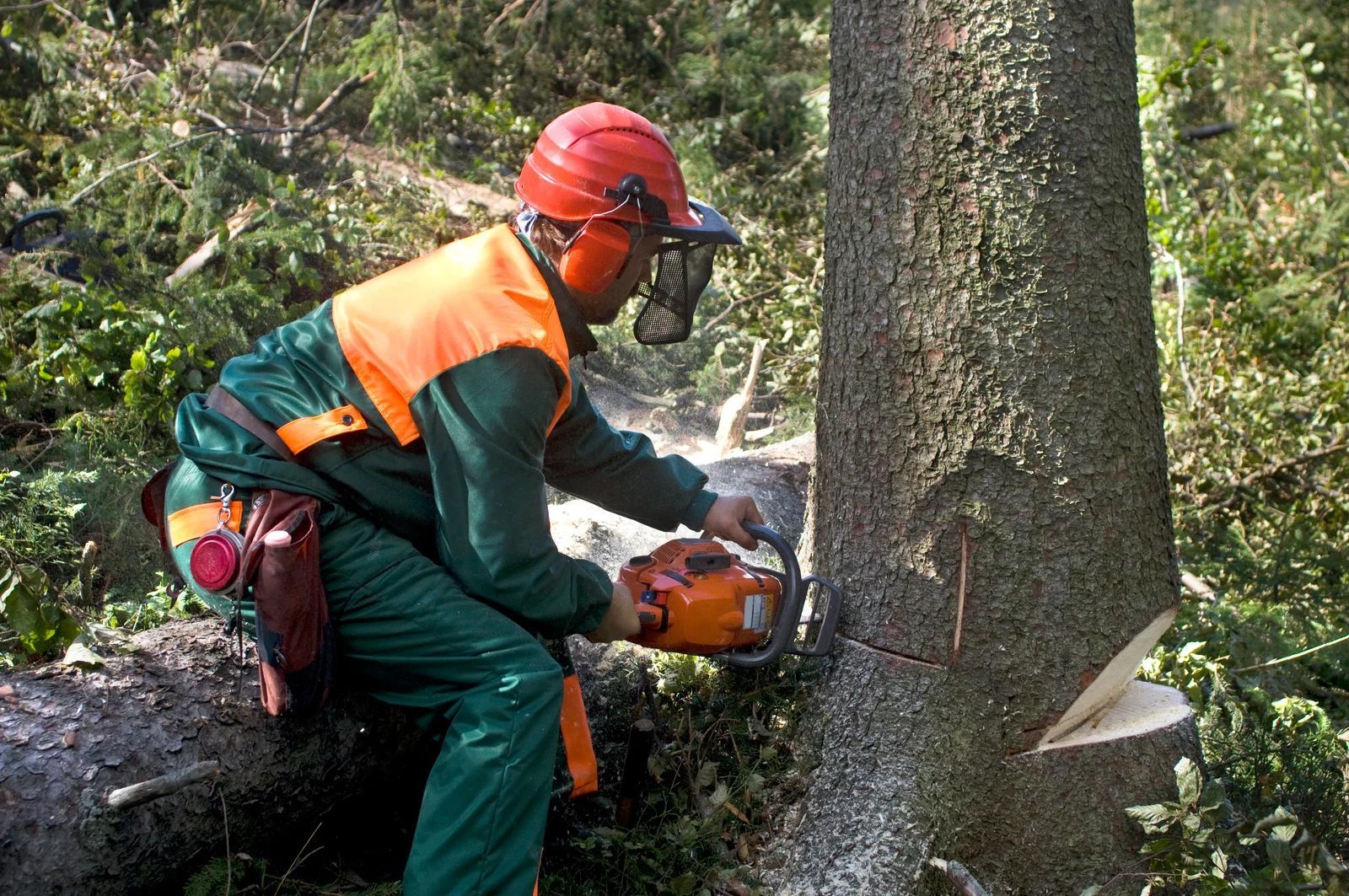
Pruning supports structural integrity, encourages healthy growth, and prevents damage from heavy snow, wind, or disease. Remove dead, damaged, or crossing branches early to maintain canopy balance. Seasonal inspections for pests, diseases, and nutrient deficiencies allow early intervention, preventing long-term harm. Selecting low-maintenance species adapted to local conditions further reduces labor and resource investment.
Ecological and Social Benefits of Climate-Appropriate Trees
Environmental Advantages
Trees planted with consideration for climate provide significant ecological benefits. They reduce carbon dioxide, filter air pollutants, prevent soil erosion, and regulate local temperatures. Shade trees reduce energy consumption by lowering cooling costs in summer, while wind-resistant species protect properties from erosion and storm damage. Native species support local wildlife, creating habitats for birds, insects, and small mammals, fostering biodiversity.
Social and Economic Impact
Well-planned tree planting enhances property values, creates attractive public spaces, and contributes to community well-being. Street trees and urban forests improve mental health, reduce noise pollution, and encourage outdoor activity. Economically, climate-appropriate trees reduce long-term maintenance costs, pest treatments, and replacement expenses, providing a sustainable investment for homeowners and municipalities alike.
Community and Sustainability Goals
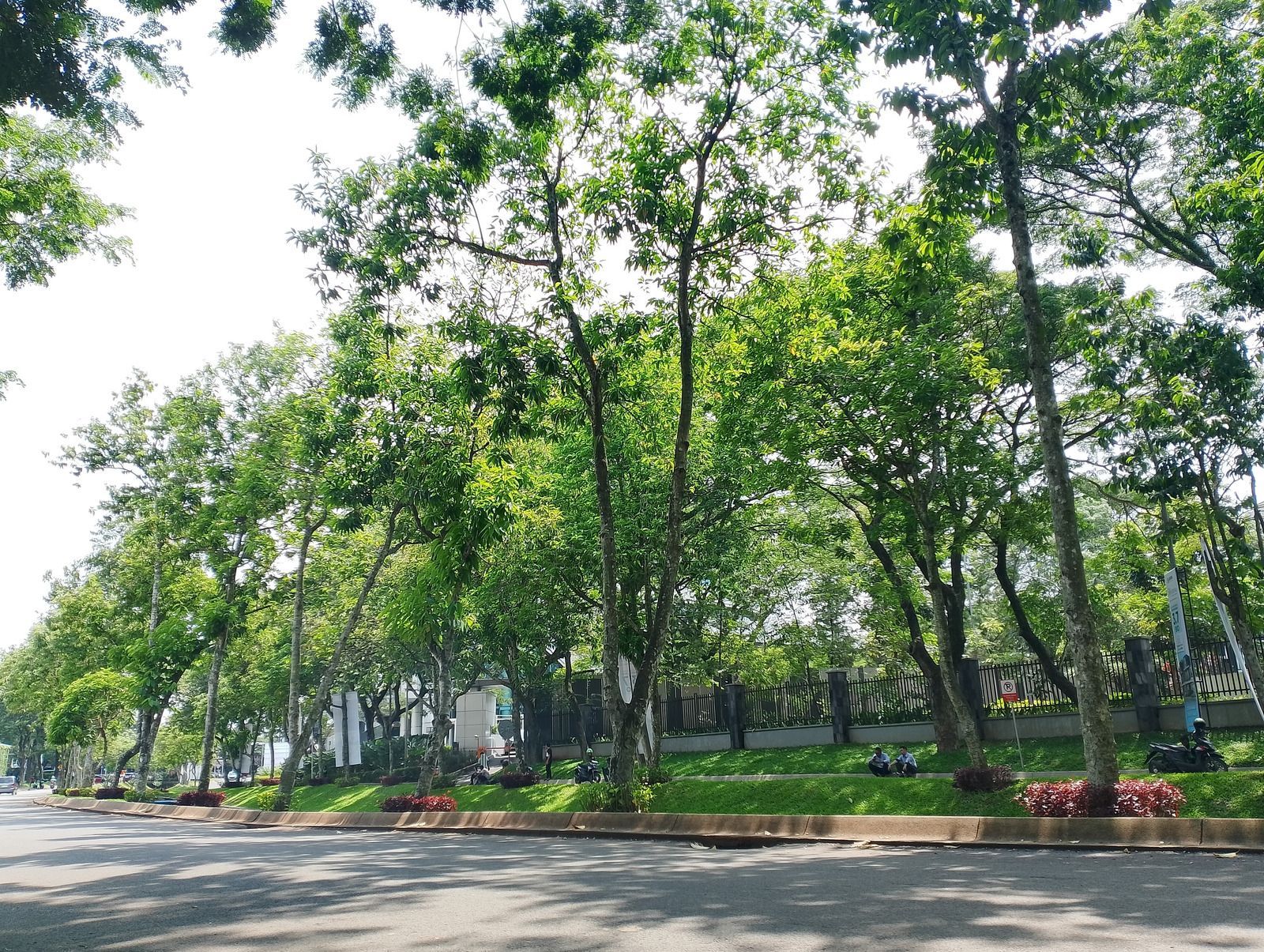
Incorporating trees into urban planning aligns with sustainability initiatives and environmental conservation goals. Strategic tree placement along streets, parks, and public spaces improves air quality, mitigates the heat island effect, and strengthens resilience against climate change. Educating the public on selecting climate-appropriate trees ensures landscapes remain robust and beneficial for decades.
Overcoming Common Tree Planting Challenges
List of Services
-
Pest and Disease ManagementList Item 1
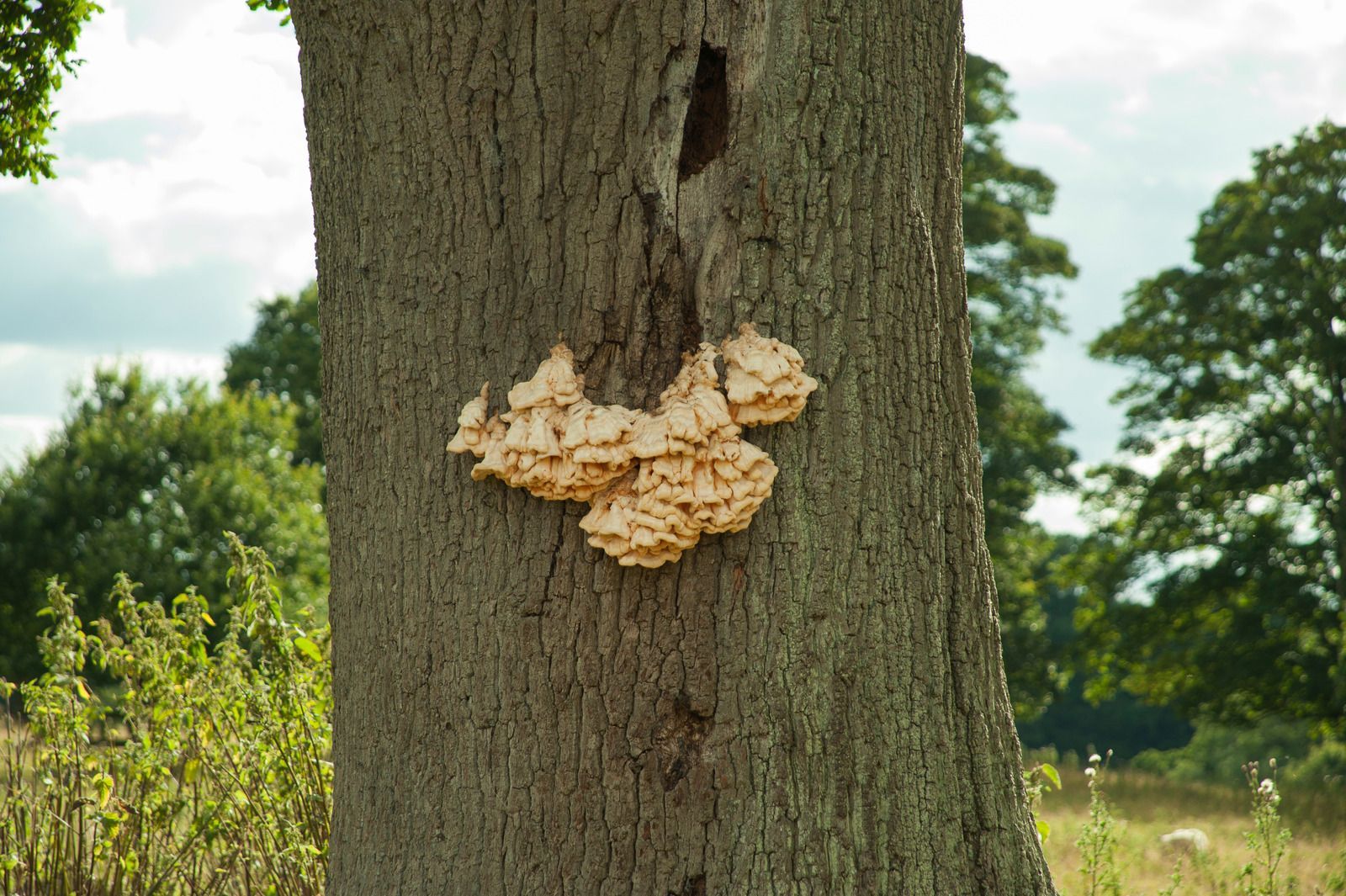
Even climate-adapted trees may encounter pests or diseases. Identifying species-specific vulnerabilities allows for proactive measures, such as using resistant varieties or applying preventative treatments. Regular inspection and early intervention reduce the risk of widespread damage and preserve overall landscape health.
-
Water Management ChallengesList Item 2
Inconsistent rainfall or extreme weather events can stress newly planted trees. Implementing efficient irrigation systems, such as drip lines or rainwater collection, provides consistent moisture without oversaturating the soil. Proper soil amendments and mulching further enhance water retention and root development.
-
Dealing with Urban Constraints
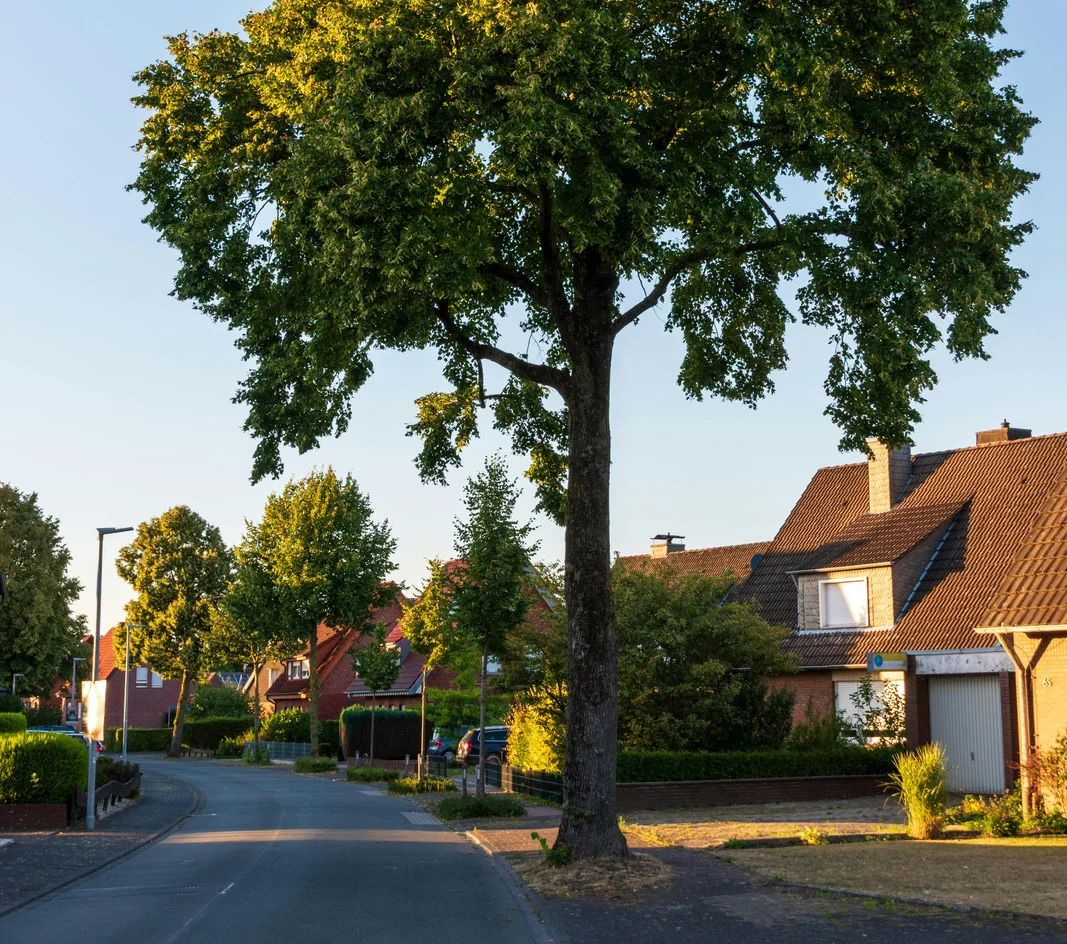
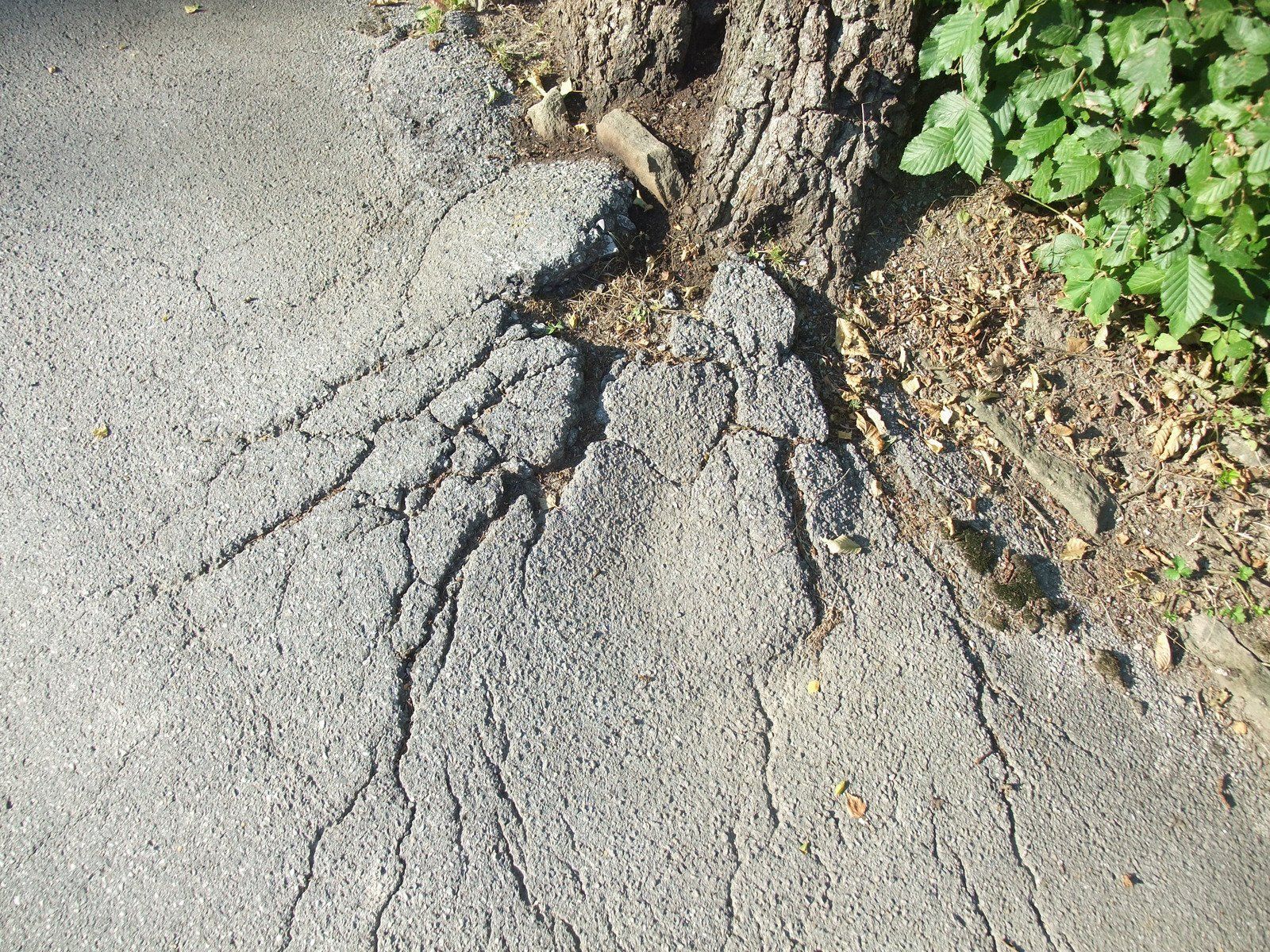
Urban environments present unique challenges, including limited space, soil compaction, and infrastructure conflicts. Selecting smaller, columnar, or slow-growing trees can adapt to tight spaces, while strategic root barriers prevent damage to sidewalks and underground utilities. Planning with long-term growth in mind ensures trees enhance the urban landscape rather than creating future obstacles.
Trusted Experts Ensuring Healthy Tree Growth
Successfully planting trees requires a strategic approach rooted in climate awareness, soil management, species selection, and proper care. By considering the unique environmental conditions of a location, trees can thrive, providing long-lasting ecological, aesthetic, and economic benefits. Recognizing regional differences, understanding soil characteristics, implementing best practices, and addressing potential challenges ensures trees grow strong and resilient, contributing positively to communities and landscapes.
At LD Tree Care, Sacramento, California, expertise developed over 15
years enables the delivery of precise, climate-informed tree care solutions. A commitment to quality, safety, and sustainable practices ensures every planting or maintenance project maximizes long-term tree health and visual impact. Deep knowledge of local soil conditions, native species, and climate patterns allows guidance tailored to specific sites. From initial planting to ongoing maintenance, we prioritize the growth of thriving, resilient trees that enhance landscapes, improve property value, and support environmental sustainability. Trust in years of hands-on experience ensures confident, professional, and reliable tree care services for any setting.