How Tree Roots Can Damage Your Property (and What to Do About It)
Trees are one of nature’s most valuable assets, offering shade, beauty, and environmental benefits. However, their roots, which lie hidden beneath the surface, can sometimes pose a significant risk to residential and commercial properties. Tree roots grow extensively in search of water and nutrients, and when these roots encounter structures, they can cause a range of problems, from cracked foundations to damaged plumbing systems. Understanding the potential threats posed by tree roots is crucial for property owners who want to protect their investments while still enjoying the advantages of healthy, mature trees.
Many homeowners underestimate the impact of aggressive root systems, assuming that surface-level greenery cannot affect deep structural elements. Yet, countless cases show that unchecked root growth can lead to costly repairs, compromise safety, and reduce property value. Recognizing early warning signs and implementing proactive strategies can prevent extensive damage. This guide will explore the common ways tree roots affect buildings, pavements, and underground utilities, providing actionable insights to safeguard your property. Whether you are managing a residential yard or a commercial site, understanding the dynamics of tree roots is essential for long-term property maintenance and investment protection.
The Mechanics of Tree Root Growth
How Roots Expand
Tree roots spread both vertically and horizontally, often extending far beyond the tree’s canopy. While most roots remain within the top 18–24 inches of soil, they are capable of infiltrating cracks, seams, and weak points in hardscapes. Roots grow toward moisture-rich areas, such as irrigation systems, leaking pipes, or poorly drained soils, which can inadvertently bring them into contact with property structures.
Factors Influencing Root Damage
Several factors dictate the extent of damage roots can cause:
- Tree species: Certain species, like willow, poplar, and silver maple, are notorious for aggressive root growth.
- Soil type: Loose, sandy soils allow roots to travel further, while compacted clay may restrict root movement but increase pressure on foundations.
- Water availability: Frequent leaks or overwatering encourage roots to seek out moisture near property structures.
Real-World Scenario
Consider a residential property where a mature willow tree is planted near the driveway. Over several years, its roots push up the concrete, causing uneven surfaces and tripping hazards. Left unaddressed, the damage spreads, eventually affecting nearby plumbing lines.
Damage to Foundations and Structural Integrity
List of Services
-
Cracks and ShiftingList Item 1
Roots growing under foundations can cause cracks in concrete or masonry. The pressure from expanding roots can lift or shift slabs, particularly in properties with shallow foundations. These shifts compromise structural integrity, sometimes leading to costly repairs.
-
Soil Displacement and ErosionList Item 2
As roots extract moisture from the soil, they can contribute to soil shrinkage or uneven settling. Conversely, some roots may push soil outward as they grow, creating heaving effects that destabilize walkways and patios.
-
Identifying Warning SignsList Item 3
Property owners should monitor for:
- Cracks in walls, floors, or foundations
- Uneven flooring or doors that no longer close properly
- Small mounds or bulges in lawns near tree bases
-
Expert TipList Item 4
Engage a structural engineer for inspections if you notice foundation movement. Early intervention can prevent minor root interference from escalating into major structural issues.
Impact on Plumbing and Underground Utilities
Root Infiltration of Pipes
One of the most common ways tree roots damage property is by infiltrating plumbing systems. Roots naturally grow toward water sources, and even small leaks in pipes can attract them. They can enter joints, cracks, or corroded areas, causing blockages or pipe breakage.
Signs of Plumbing Damage
Early indicators include:
- Slow drains or frequent clogs
- Unexplained wet spots or pooling water in the yard
- Foul odors near sewer lines
Prevention and Maintenance
Installing root barriers, maintaining proper soil moisture, and using pipe materials resistant to root intrusion (like PVC) can significantly reduce risk. Regular plumbing inspections can identify early root encroachment before major damage occurs.
Case Example
A Sacramento homeowner noticed recurring clogged drains and later discovered roots had penetrated the sewer line. Timely professional intervention prevented a complete pipe replacement, saving thousands in repair costs.
Damage to Pavements, Driveways, and Sidewalks
List of Services
-
Root-Induced HeavingList Item 1
Tree roots growing under concrete or asphalt can push surfaces upward, creating uneven pavement, trip hazards, and aesthetic issues. Even minor lifting can worsen over time, leading to larger structural problems.
-
Cracking and ErosionList Item 2
Repeated root pressure combined with environmental factors, such as freeze-thaw cycles, can exacerbate cracks and erosion. Asphalt tends to crack more easily, while concrete may resist minor pressure but eventually develops unsightly splits.
-
Mitigation StrategiesList Item 3
- Maintain a buffer zone between trees and hardscapes
- Use flexible paving solutions that accommodate root growth
- Consider root pruning or installation of root barriers during construction
-
Practical InsightList Item 4
Municipal sidewalks often show root damage from street trees, emphasizing the importance of planning root growth away from pedestrian pathways. Property owners can use similar planning strategies to prevent costly repairs.
Assessing Tree Placement Before Planting
Choosing Safe Distances from Structures
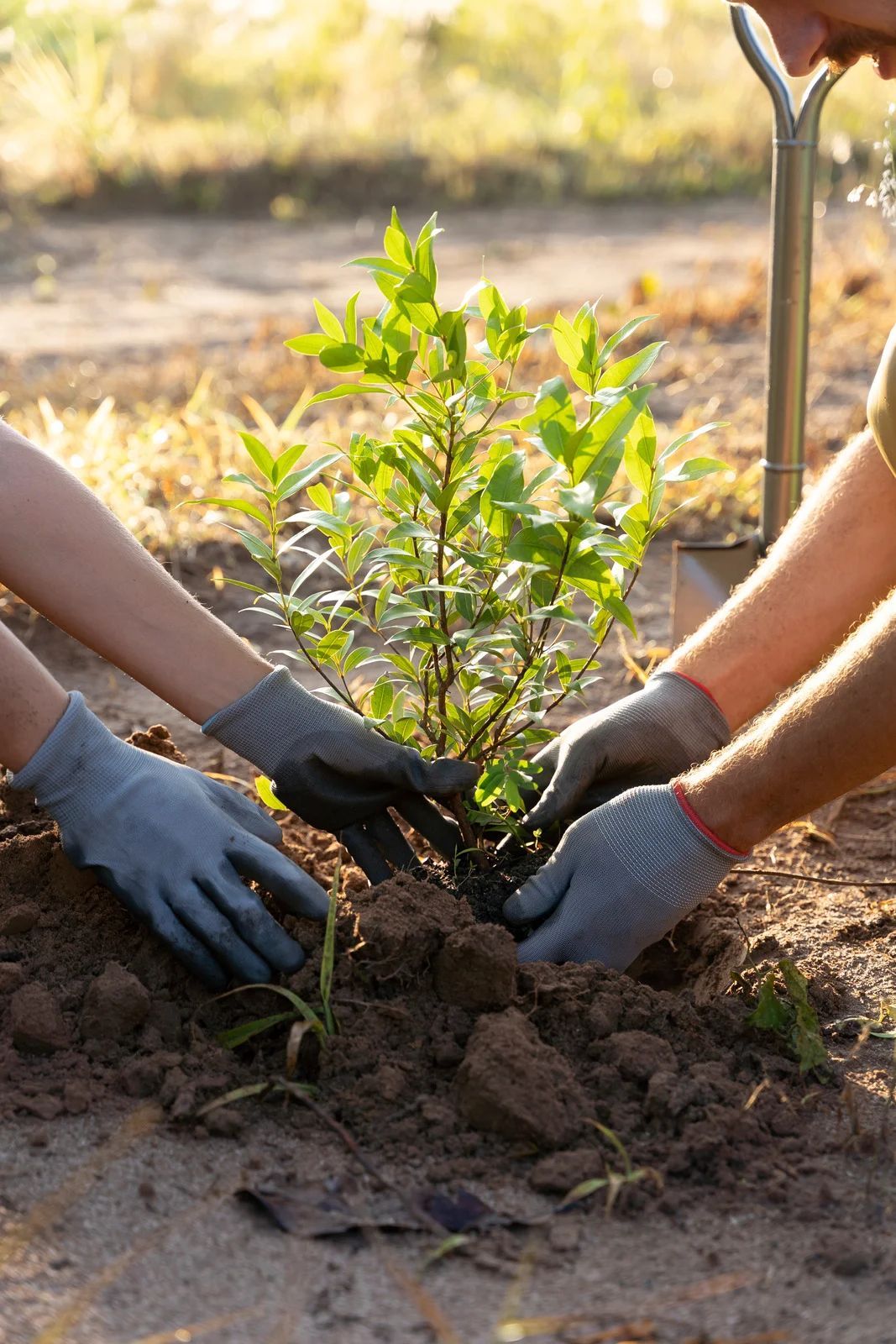
Planning the location of trees before planting is essential to prevent root damage. Avoid placing large-rooted trees close to foundations, driveways, or underground utilities. A minimum distance of 10–15 feet is recommended for many species, but this may vary depending on the tree type.
Understanding Mature Tree Root Spread
Roots often extend 2–3 times wider than the tree’s canopy. Visualizing the mature root system helps in making informed decisions about tree placement to avoid conflicts with property structures.
Landscaping Designs That Minimize Damage
Incorporate natural barriers, raised planting beds, or permeable hardscapes to guide roots safely. Landscape architects can design layouts that balance aesthetics, shade, and structural safety.
Tree Root Management and Safe Removal Practices
List of Services
-
Root PruningList Item 1
When roots threaten structures, professional root pruning may be necessary. This involves carefully cutting roots while minimizing harm to the tree. Improper pruning can destabilize trees or lead to decay, so always consult certified arborists.
-
Installation of Root BarriersList Item 2
Root barriers are physical or chemical barriers designed to redirect root growth away from sensitive areas. They are especially useful for new plantings or near utilities and foundations.
-
Selecting Low-Risk Tree SpeciesList Item 3
When landscaping, choose species with less aggressive root systems. Trees like dogwood, redbud, and certain ornamental varieties are less likely to cause significant structural problems.
-
Ongoing MaintenanceList Item 4
Regular inspections, proper irrigation, and soil care help ensure roots grow healthily without encroaching on property structures. Monitoring tree health also prevents decay or unexpected root spread.
-
Expert Tip
Combine root barriers with regular pruning and inspection schedules for maximum protection. Proactive management is always more cost-effective than reactive repairs.
Emergency Response for Root-Related Damage
Immediate Steps After Structural Impact
If you notice foundation cracks, burst pipes, or lifted pavements due to roots, take immediate action to prevent further damage. Stop irrigation near affected areas and secure the site if necessary.
Hiring Professionals Safely and Efficiently
Engage certified arborists, structural engineers, or plumbers to assess and resolve root-related issues. Avoid DIY removal that could harm both trees and property.
Temporary Measures to Prevent Further Damage
Install temporary barriers, cover exposed roots, or redirect water sources to stabilize soil until professional intervention is complete. Prompt action minimizes escalation and repair costs.
Legal and Insurance Considerations
List of Services
-
Liability IssuesList Item 1
Tree roots damaging neighboring properties can create legal disputes. Homeowners should be aware of local regulations regarding tree maintenance, property boundaries, and liability for root-induced damage.
-
Insurance CoverageList Item 2
Not all homeowner insurance policies cover tree root damage. Reviewing policy details and speaking with insurers ensures property owners understand potential coverage gaps.
-
Proactive DocumentationList Item 3
Keep records of inspections, maintenance, and professional consultations. Documentation can support claims or defend against liability disputes if root damage affects adjacent properties.
-
Real-Life ExampleList Item 4
A property owner in California faced a neighbor dispute after roots from a mature tree cracked a shared driveway. Documentation of prior maintenance helped clarify responsibility and facilitated a resolution.
Sustainable Landscaping Solutions to Reduce Risk
Strategic Planting
Plant trees away from foundations, driveways, and underground utilities. Plan landscaping designs that consider mature root spread rather than immediate aesthetics.
Soil Management
Healthy soil reduces the likelihood of roots seeking moisture near structures. Adequate irrigation, mulching, and soil amendments encourage roots to grow downward and outward safely.
Regular Tree Health Monitoring
Stressed or diseased trees often develop erratic root growth. Keeping trees healthy through fertilization, pruning, and pest management reduces unexpected structural risks.
Community and Professional Support
Engaging certified arborists or landscape architects for long-term planning ensures trees enhance property value without posing hidden hazards. Sustainable, well-managed landscapes protect both trees and property investments.
Safeguard Your Property By Managing Tree Roots Properly
Tree roots, while essential for a tree’s health and stability, can present significant challenges to property owners. From foundation cracks to damaged plumbing and uneven pavements, the consequences of uncontrolled root growth are both costly and potentially hazardous. Recognizing early warning signs, understanding root behavior, and implementing preventive measures—such as root barriers, strategic planting, and professional inspections—are essential steps to safeguard your property.
At LD Tree Care, Sacramento, California, we bring 15
years of expertise in managing tree health and mitigating root-related property risks. Our team of certified arborists offers comprehensive assessments, safe root management, and sustainable landscaping solutions tailored to your property’s needs. We combine industry knowledge with hands-on experience to protect both your trees and your investments. Trust us to deliver professional, reliable, and proactive services that ensure the long-term safety, aesthetics, and value of your property while maintaining the vitality of your trees.