How to Care for Young Trees to Ensure Healthy Growth
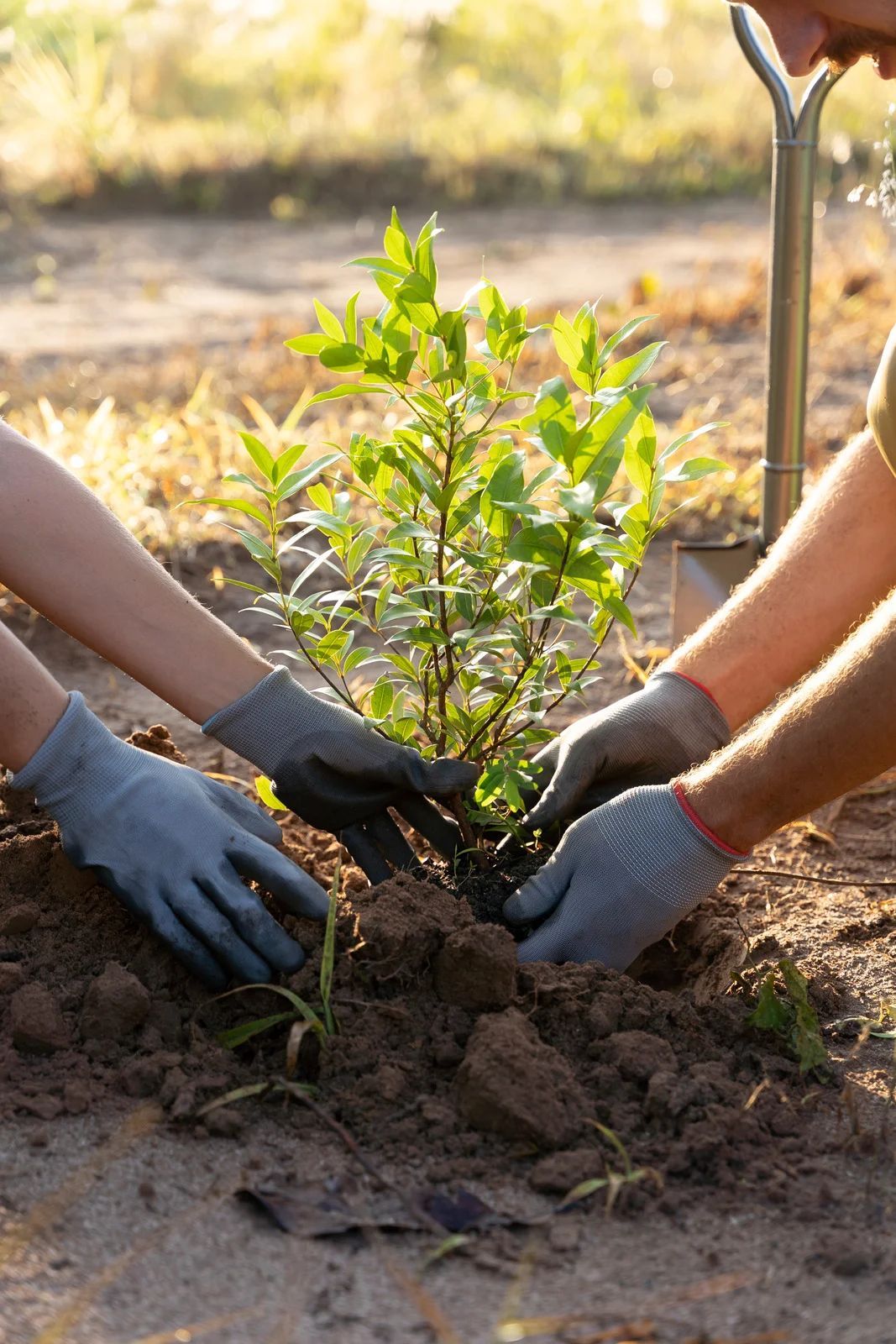
Planting a young tree is an investment in the future of a landscape. Trees provide shade, improve air quality, enhance property value, support wildlife, and contribute to healthier communities. However, planting a tree is only the first step. The early years of a tree's life are critical because this is when root systems develop, structural strength is established, and overall health is determined. Without proper care, even well-selected and properly planted trees can struggle to survive environmental stress, pest issues, drought conditions, and poor growing conditions. Understanding how to nurture young trees during these formative years helps ensure they mature into strong, resilient, and attractive landscape features.
Tree care is an important aspect of modern landscaping, urban forestry, and property management. Homeowners, property managers, and businesses increasingly recognize the long-term value of maintaining healthy trees from the beginning. Young trees require attention that goes beyond occasional watering. Proper irrigation, mulching, pruning, soil management, and protection from external threats all play significant roles in promoting healthy growth. By following proven tree care practices and understanding the unique needs of developing trees, property owners can reduce future maintenance concerns while supporting sustainable landscape growth. A well-cared-for young tree is far more likely to thrive, withstand environmental challenges, and provide decades of beauty and environmental benefits.
Establishing a Strong Foundation After Planting
Choosing the Right Planting Location
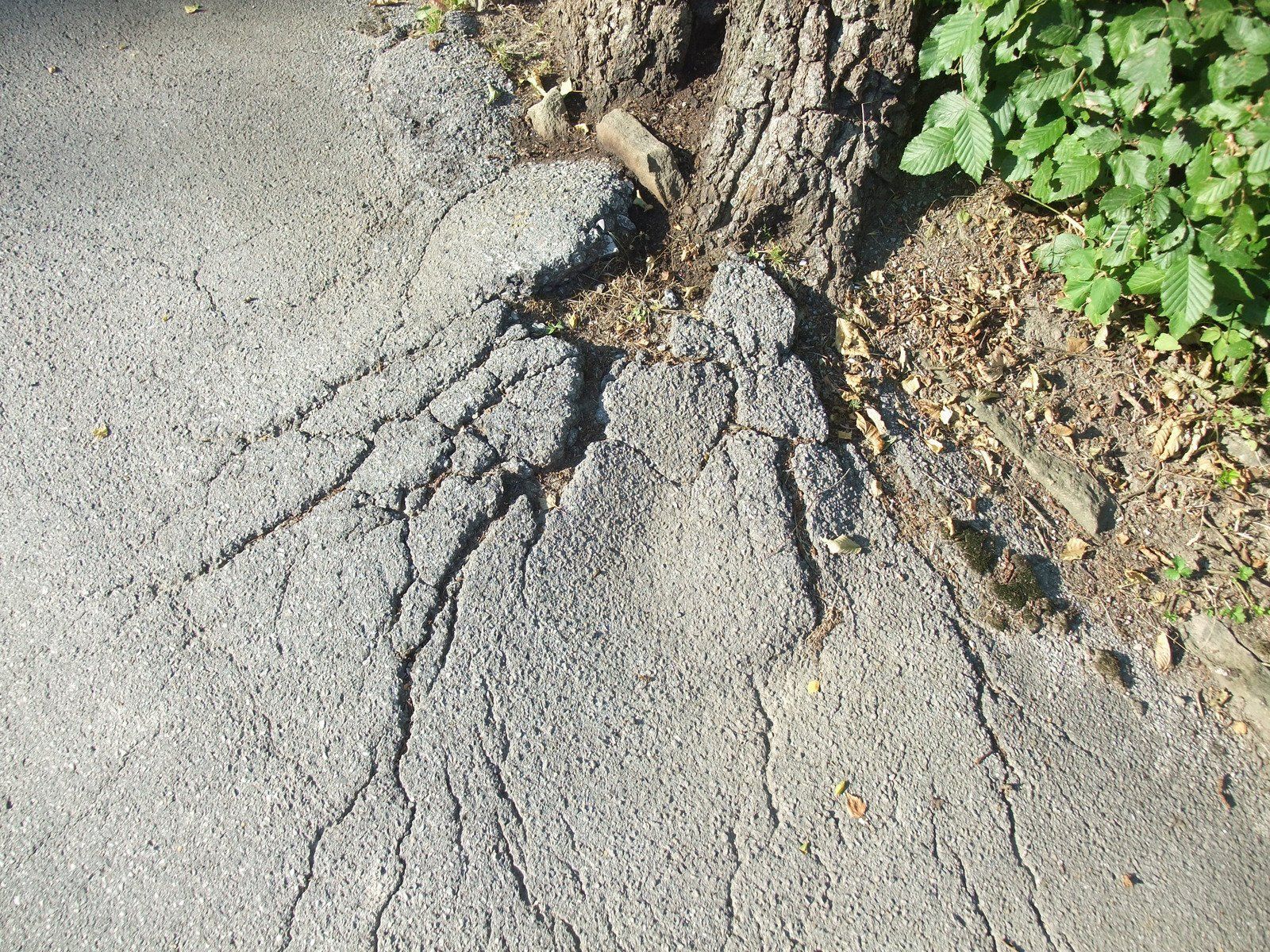
Long-term tree health begins with proper placement. A young tree planted in the wrong location may face challenges throughout its life regardless of the care provided afterward. Before planting, consider mature tree size, sunlight requirements, soil conditions, drainage characteristics, and proximity to buildings, sidewalks, utility lines, and other structures.
Many tree problems originate from poor site selection. Trees that outgrow their available space often experience root restrictions, canopy conflicts, and increased stress. Selecting a suitable location helps prevent future issues while allowing the tree to develop naturally.
Proper Planting Depth Matters
One of the most common mistakes involves planting trees too deeply. The root flare, where the trunk widens near the soil surface, should remain visible after planting. Burying the root flare can restrict oxygen access, encourage decay, and create long-term health problems.
Proper planting depth allows roots to establish quickly and supports healthy growth. Newly planted trees should be monitored during the first few months to ensure settling soil does not gradually bury the trunk.
Supporting Root Establishment
The first year after planting focuses heavily on root development. While foliage growth is important, roots provide the foundation for future health and stability. Limiting soil compaction around the tree and maintaining adequate moisture levels encourage root expansion into surrounding soil.
Strong root systems improve nutrient uptake, drought resistance, and structural support as the tree matures.
Watering Strategies That Promote Healthy Growth
List of Services
-
Understanding Young Tree Water RequirementsList Item 1
Water is one of the most important factors affecting young tree survival. Newly planted trees have limited root systems and cannot access moisture as efficiently as mature trees. Consistent watering during the establishment period helps reduce transplant shock and supports healthy development.
The amount of water required depends on species, climate, soil type, rainfall, and seasonal conditions. Sandy soils may require more frequent watering, while clay soils often retain moisture longer.
-
Deep Watering Versus Frequent Surface Watering
Deep watering encourages roots to grow downward and outward in search of moisture. Shallow watering often results in weak surface roots that are more vulnerable to drought and temperature fluctuations.
Slow, deep irrigation allows water to penetrate the root zone where it can be absorbed more efficiently. Using soaker hoses, drip irrigation systems, or slow-release watering bags can help deliver water directly to developing roots.
-
Seasonal Watering Adjustments
Young trees require different watering schedules throughout the year. Hot summer temperatures typically increase moisture demands, while cooler seasons may reduce watering needs.
Property owners should monitor soil moisture rather than relying solely on fixed schedules. Checking the soil several inches below the surface helps determine whether watering is necessary. Maintaining balanced moisture levels prevents both drought stress and overwatering damage.
Mulching and Soil Care for Long-Term Success
Benefits of Proper Mulching
Mulch provides numerous benefits for young trees. It helps retain soil moisture, regulate temperature fluctuations, reduce weed competition, and improve overall soil conditions.
Organic mulch materials such as wood chips, shredded bark, or compost gradually break down and contribute valuable organic matter to the soil. This process improves soil structure and supports healthy root growth.
Avoiding Common Mulching Mistakes
While mulch is beneficial, improper application can create serious problems. One of the most common errors is creating mulch volcanoes, where mulch is piled against the trunk.
Excessive mulch around the trunk traps moisture, encourages decay, and creates conditions favorable to pests and disease. A proper mulch ring should extend several feet around the tree while remaining a few inches away from the trunk itself.
Improving Soil Health Naturally
Healthy soil supports healthy trees. Soil testing can provide valuable information regarding nutrient levels, pH balance, and potential deficiencies.
Adding organic matter, maintaining proper drainage, and minimizing soil compaction help create favorable growing conditions. Healthy soil encourages microbial activity that supports nutrient availability and root development.
Protecting Young Trees from Environmental Stress
List of Services
-
Managing Weather-Related ChallengesList Item 1
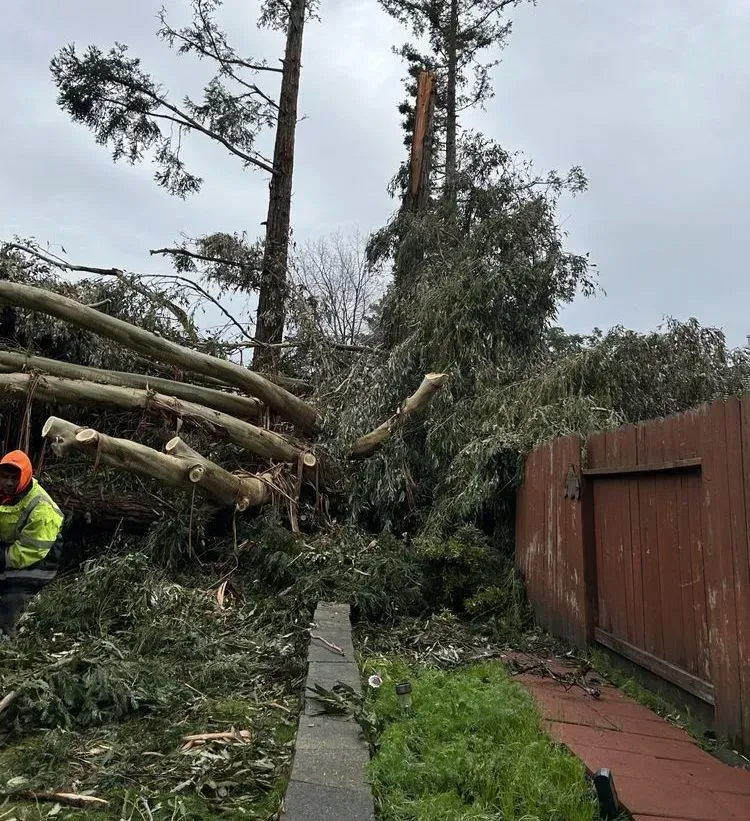
Young trees are particularly vulnerable to environmental extremes. High winds, excessive heat, drought, heavy rain, and unexpected freezes can all impact growth and survival.
Protective measures such as staking when necessary, maintaining mulch coverage, and providing supplemental watering during dry periods help reduce weather-related stress. However, staking should only be used when required and removed once the tree becomes established.
-
Preventing Mechanical DamageList Item 2
Damage from lawn equipment remains a leading cause of young tree injuries. String trimmers and lawn mowers can wound bark, exposing trees to disease, insect infestations, and structural weakness.
Creating mulch rings around trees reduces the need for equipment near the trunk while providing additional protection. Protective guards may also be used in areas where accidental contact is likely.
-
Reducing Competition from Grass and Weeds
Grass and weeds compete directly with young trees for water, nutrients, and space. This competition can significantly slow growth during the establishment phase.
Maintaining a weed-free zone around the tree improves access to resources and supports stronger root development. Mulching serves as an effective method for suppressing unwanted vegetation while improving soil conditions.
Pruning Techniques That Encourage Strong Structure
Why Early Pruning Is Important
Pruning young trees helps establish a strong structure that supports healthy growth throughout the tree's life. Early corrective pruning can prevent future problems that become more difficult and costly to address as trees mature.
The goal is not to remove large portions of the canopy but rather to guide development and eliminate potential structural weaknesses.
Identifying Branches That Require Removal
Dead, damaged, crossing, or poorly attached branches should be removed when identified. Multiple competing leaders may also require corrective pruning to encourage a stronger central structure.
Proper pruning cuts promote faster healing and reduce the likelihood of disease entry. Understanding branch collar placement and correct cutting techniques is essential for preserving tree health.
Avoiding Over-Pruning
Excessive pruning can create unnecessary stress for young trees. Leaves produce energy through photosynthesis, making them essential for growth and root development.
Removing too much foliage limits the tree's ability to produce energy and recover from environmental stress. Careful, selective pruning provides the greatest long-term benefits.
Monitoring Tree Health and Addressing Problems Early
List of Services
-
Recognizing Signs of StressList Item 1
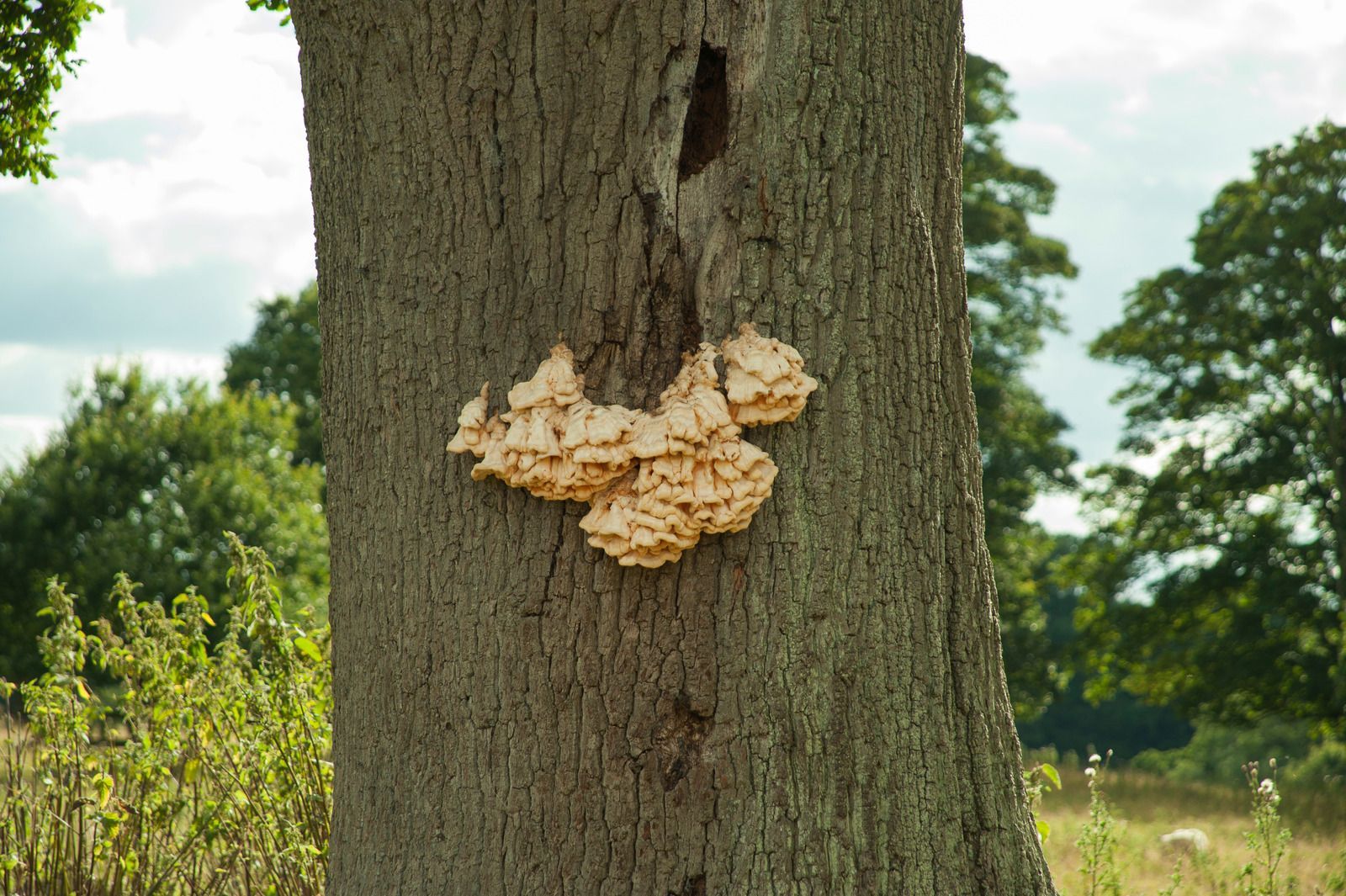
Regular inspections allow property owners to identify issues before they become severe. Warning signs may include yellowing leaves, premature leaf drop, slow growth, dieback, bark damage, or unusual discoloration.
Early detection often allows corrective action before significant damage occurs. Monitoring young trees throughout the growing season helps ensure potential concerns receive prompt attention.
-
Managing Pests and Diseases
Young trees can be vulnerable to various insects and diseases. Identifying problems early improves treatment options and reduces long-term impacts.
Integrated tree care practices that focus on overall health often provide the best defense against pest and disease issues. Healthy trees generally possess greater natural resistance to environmental threats.
-
Creating a Long-Term Maintenance Plan
Tree care should not end after the first year. Developing a long-term maintenance strategy helps ensure continued growth and structural integrity.
Routine inspections, seasonal care adjustments, periodic pruning, and soil management contribute to sustained tree health. Consistent attention during the early years produces significant benefits as trees mature.
Build Stronger Landscapes With Trusted Tree Specialists
At LD Tree Care, we understand that healthy trees begin with proper care during the earliest stages of growth. Serving property owners throughout Sacramento, California, we have spent 15 years helping homeowners and businesses establish, maintain, and protect trees that contribute lasting value to their landscapes. Our experience has shown that proactive tree care during the first few years often determines how well a tree performs throughout its lifespan.
We believe every young tree deserves the attention necessary to develop strong roots, sound structure, and long-term resilience. Our approach focuses on proven industry practices, ongoing education, and personalized recommendations based on site conditions, tree species, and environmental factors. Whether addressing watering concerns, pruning needs, soil health challenges, or pest management issues, we provide guidance designed to support sustainable tree growth.
We are committed to helping property owners make informed decisions that protect their landscapes while maximizing the benefits trees provide. Through professional knowledge, practical solutions, and years of hands-on experience, we continue supporting healthier trees and stronger outdoor environments throughout the Sacramento area. When it comes to nurturing young trees for long-term success, we remain a trusted resource dedicated to quality tree care and lasting results.