How Trees Can Increase Property Value
Trees are more than landscape features; they are strategic assets that directly influence property value, buyer perception, and long-term investment performance. In residential and commercial real estate alike, mature, healthy trees can significantly elevate curb appeal, reduce energy costs, and create a sense of permanence that buyers actively seek. As property markets grow increasingly competitive, homeowners and developers are looking beyond cosmetic upgrades and focusing on improvements that deliver measurable returns. Well-maintained trees consistently rank among the top outdoor features that increase perceived property worth. In many markets, landscaping quality can shape appraisal outcomes and influence how quickly a property moves from listing to closing. As a result, trees are no longer viewed as optional enhancements but as integral components of smart property planning.
From shaded streets that command premium home prices to commercial properties that benefit from enhanced aesthetics and environmental efficiency, the financial impact of trees is well documented. Studies in urban planning and real estate consistently show that thoughtfully designed landscapes with established trees can increase property values by as much as 5% to 20%, depending on location and tree condition. However, the value trees provide is not automatic. Proper selection, placement, maintenance, and risk management determine whether they become appreciating assets or costly liabilities. Understanding how trees influence property value allows property owners to make informed, strategic decisions that maximize returns while enhancing environmental sustainability. When approached with long-term planning and professional care, trees can deliver compounding benefits that strengthen both immediate resale potential and overall investment resilience.
1. Curb Appeal and First Impressions
The Psychology of Visual Impact
Curb appeal plays a critical role in property valuation. Buyers often form opinions within seconds of viewing a property, and mature trees create an immediate impression of stability, care, and desirability. A home framed by healthy trees appears more established and inviting compared to one surrounded by bare, open ground.
Real estate professionals frequently emphasize that landscaped properties with mature trees photograph better, attract more showings, and spend less time on the market. This psychological advantage translates into measurable financial benefits, including higher listing prices and stronger negotiation leverage.
Premium Pricing in Tree-Lined Neighborhoods
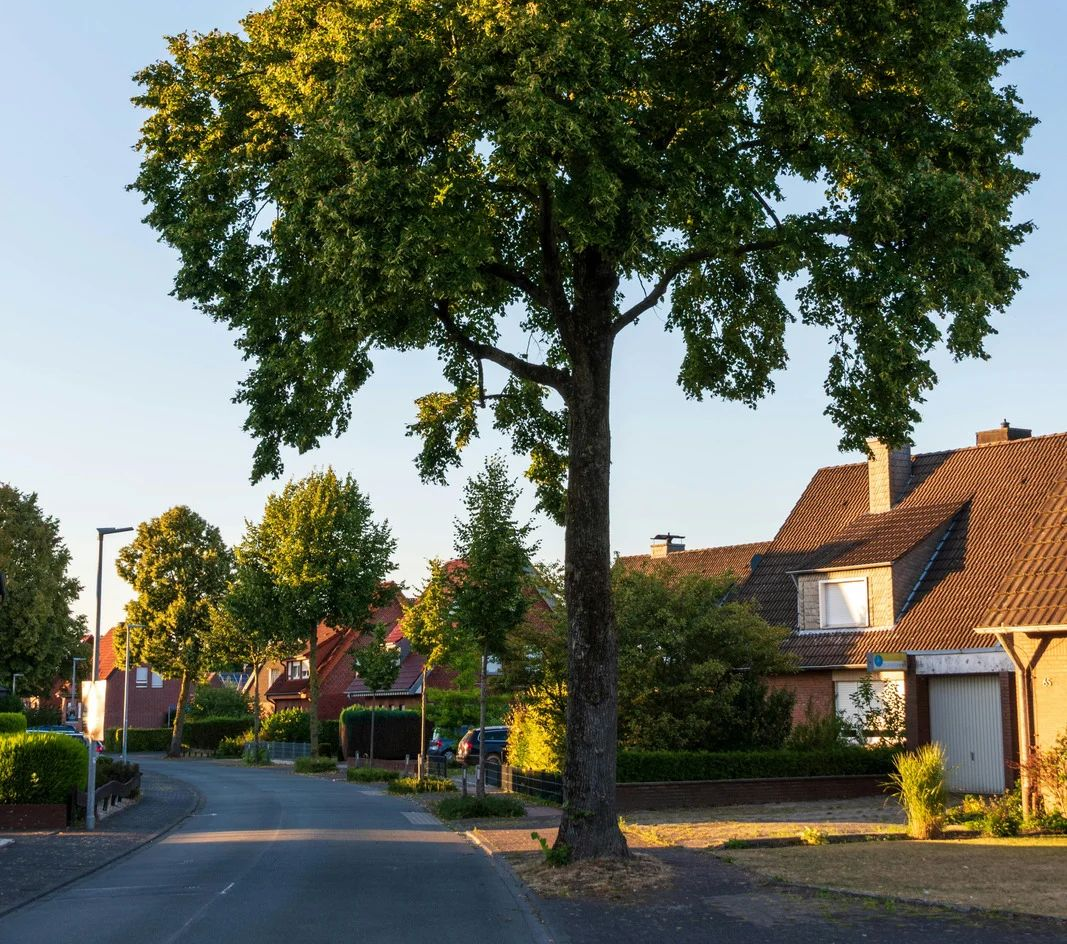
Neighborhoods with tree-lined streets consistently command higher property values. Urban planning research indicates that homes located on streets with mature canopy coverage can sell for significantly more than comparable homes without trees. Buyers associate tree-lined areas with safety, community pride, and higher socioeconomic status.
For example, in many suburban communities, properties on shaded streets may receive multiple offers faster than similar homes lacking mature landscaping. This demand creates upward pressure on pricing and strengthens long-term appreciation.
Strategic Tree Placement
Not all trees contribute equally to curb appeal. Placement matters. Trees should frame the property rather than obstruct views. Well-positioned trees can highlight architectural features, provide balance, and enhance symmetry. Poorly placed or overgrown trees, on the other hand, may block natural light or create maintenance concerns.
Best practice involves selecting species appropriate for the climate, soil, and lot size. Professional planning ensures that trees enhance rather than detract from property aesthetics.
2. Energy Efficiency and Long-Term Cost Savings
List of Services
-
Natural Cooling Through ShadeList Item 1
One of the most tangible financial benefits trees provide is energy cost reduction. Strategically planted shade trees can reduce summer cooling costs by blocking direct sunlight from roofs, windows, and walls. Studies show that properly positioned deciduous trees can reduce air conditioning expenses by up to 25%.
In warm climates, west- and south-facing trees are particularly effective in minimizing heat gain. This natural cooling not only lowers monthly utility bills but also increases a property's appeal to environmentally conscious buyers.
-
Winter Benefits and Wind ProtectionList Item 2
In colder climates, evergreen trees placed strategically as windbreaks can reduce heating costs by blocking cold winter winds. At the same time, deciduous trees lose their leaves in winter, allowing sunlight to warm the home naturally.
This dual-season benefit enhances energy efficiency year-round, improving a property’s long-term value proposition.
-
Increased Marketability of Energy-Efficient HomesList Item 3
Today’s buyers prioritize sustainability. Energy-efficient properties often command higher resale prices. When trees contribute to lower operating costs, they become a selling point during listing presentations. Real estate agents can market reduced utility expenses as a quantifiable advantage.
The combination of environmental responsibility and financial savings strengthens a property's competitive edge in the market.
3. Environmental and Health Benefits That Drive Demand
Improved Air Quality
Trees improve air quality by absorbing pollutants and releasing oxygen. In urban and suburban settings, this function is increasingly valuable as buyers prioritize healthier living environments. Cleaner air enhances overall neighborhood desirability, which can indirectly boost property values.
Communities with strong tree canopies are often perceived as healthier and more livable, attracting families and long-term residents.
Noise Reduction and Privacy
Mature trees act as natural sound barriers. They reduce noise from traffic, neighbors, and commercial areas. For properties located near busy roads, trees can significantly enhance comfort and privacy.
This added tranquility increases perceived value. Buyers are often willing to pay more for homes that offer a sense of retreat from surrounding noise.
Mental Health and Lifestyle Appeal
Green spaces contribute to reduced stress, improved mental well-being, and increased outdoor activity. A property with mature trees encourages outdoor living, from shaded patios to backyard recreation areas.
Homes that offer these lifestyle benefits are highly marketable. Buyers envision themselves enjoying the space, which strengthens emotional attachment and increases willingness to pay a premium.
4. Commercial Property Advantages
List of Services
-
Enhanced Customer AttractionList Item 1
For commercial properties, landscaping directly impacts customer perception. Retail centers, office parks, and hospitality properties with mature trees appear more professional and welcoming. Shaded parking lots improve customer comfort, particularly in warmer climates.
Businesses benefit from increased foot traffic and longer customer dwell times when exterior environments are comfortable and visually appealing.
-
Increased Rental and Lease RatesList Item 2
Office and mixed-use developments surrounded by well-maintained trees often command higher lease rates. Tenants prefer attractive environments that reflect positively on their brand image.
A professionally landscaped commercial property signals stability and quality management, making it more competitive in leasing markets.
-
Long-Term Asset Appreciation
Institutional investors increasingly consider environmental, social, and governance (ESG) factors. Properties with established tree canopies align with sustainability goals and may appeal more strongly to environmentally conscious investors.
As ESG criteria become more influential in commercial real estate, trees represent a strategic asset that enhances both valuation and market positioning.
5. Risk Management and Maintenance Considerations
The Importance of Tree Health
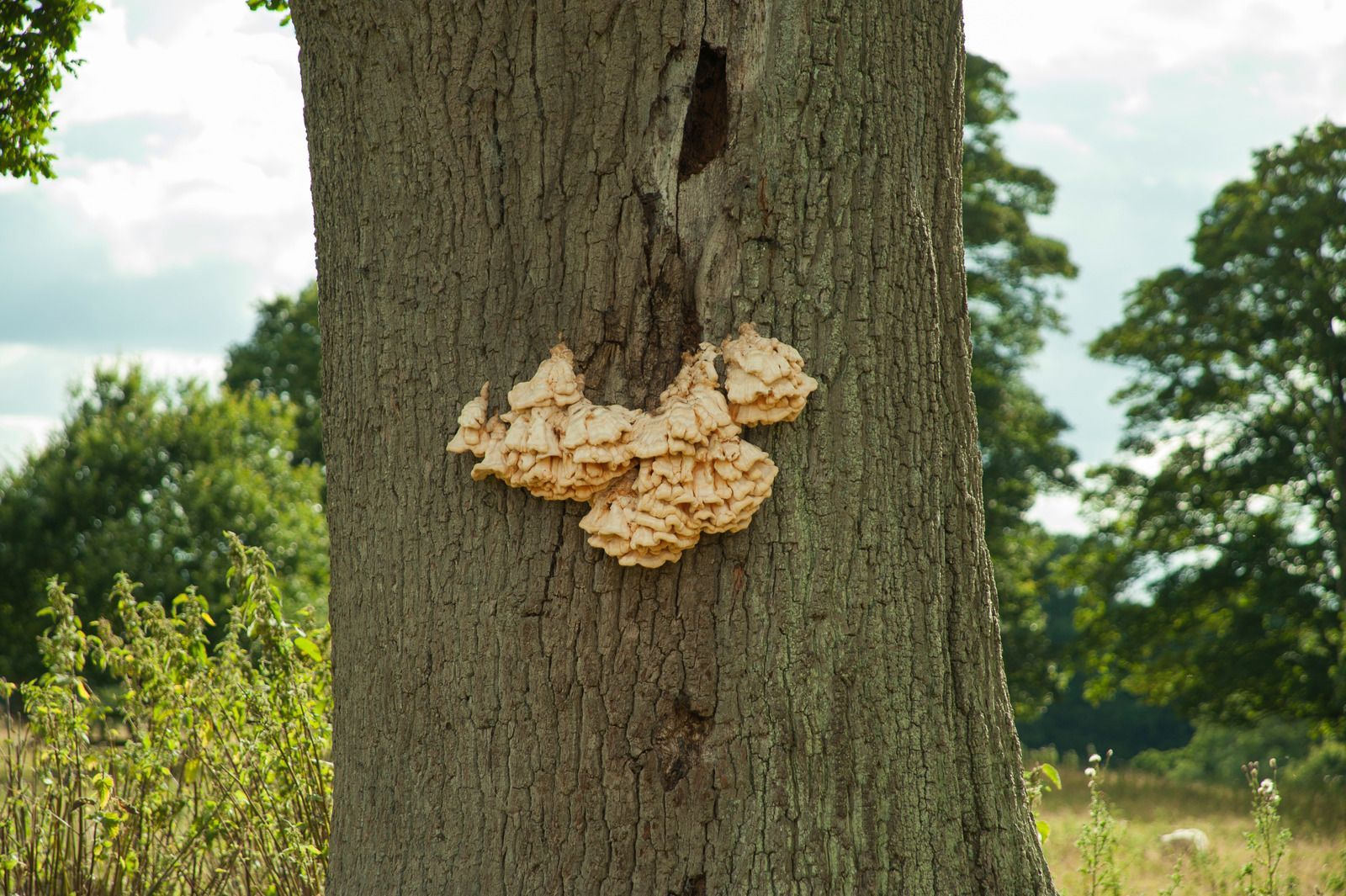
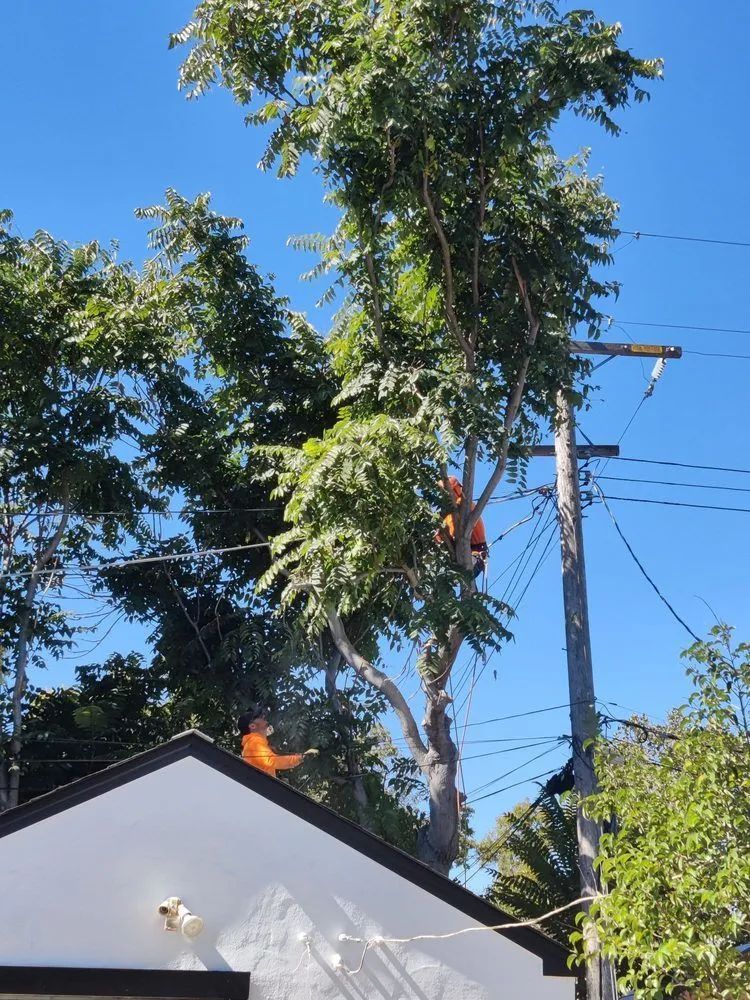
While trees can increase property value, neglected or hazardous trees can decrease it. Diseased, damaged, or unstable trees pose safety risks and may deter buyers.
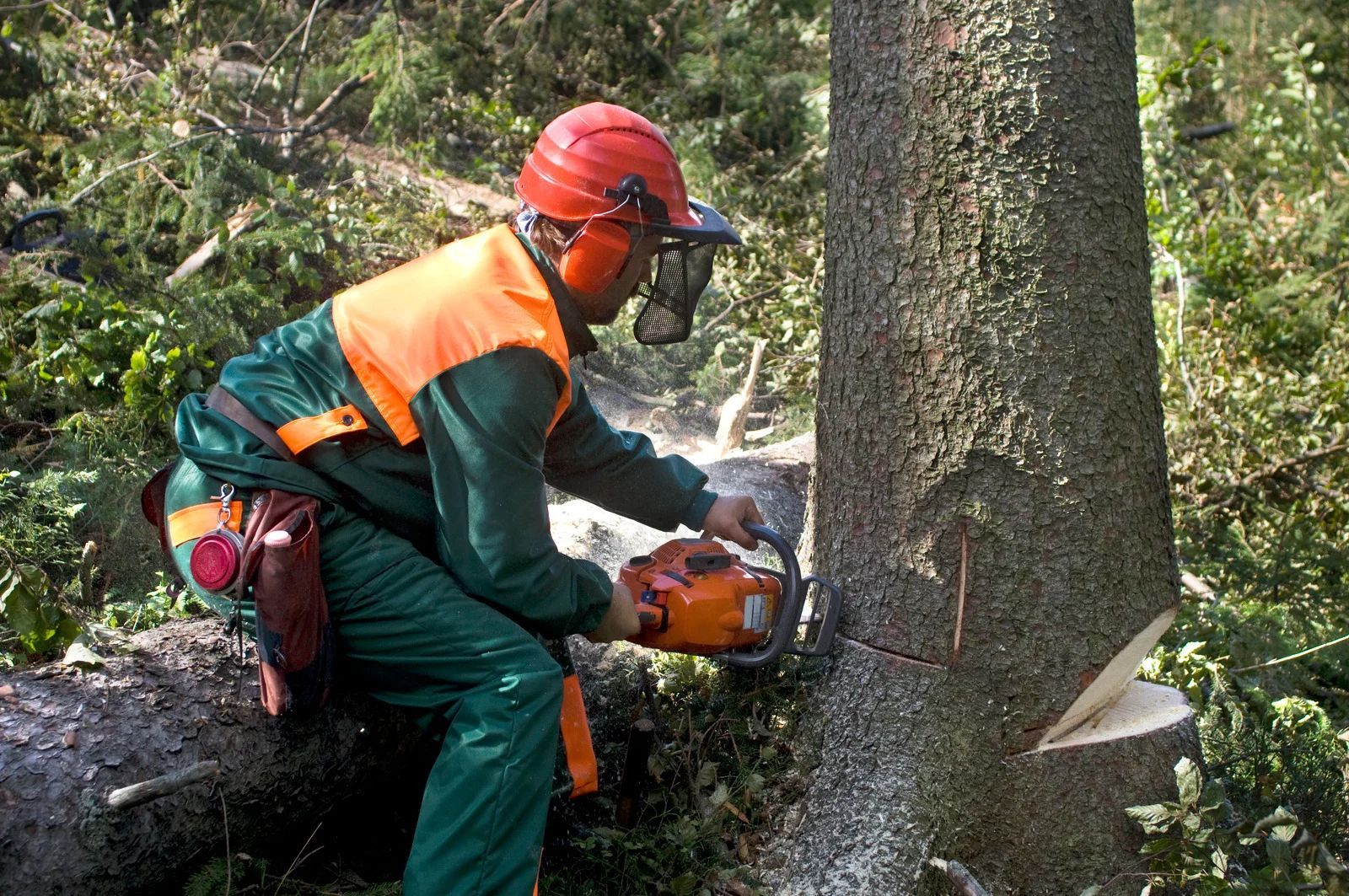
Routine inspections, pruning, and disease management are essential to preserve value. Healthy trees enhance aesthetics and safety, reinforcing buyer confidence.
Liability and Insurance Factors
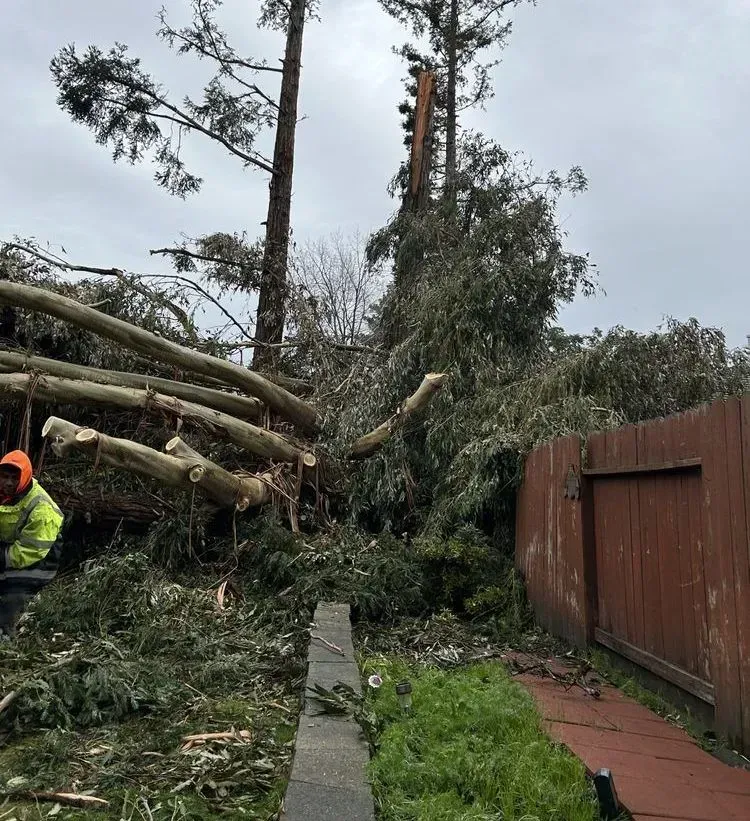
Large trees with weak branches or root instability can create liability concerns. Falling limbs or structural damage during storms may result in costly repairs or insurance claims.
Professional risk assessments and preventive maintenance protect both property value and occupant safety. Buyers are more comfortable purchasing a property when trees are visibly well cared for.
Balancing Growth and Infrastructure
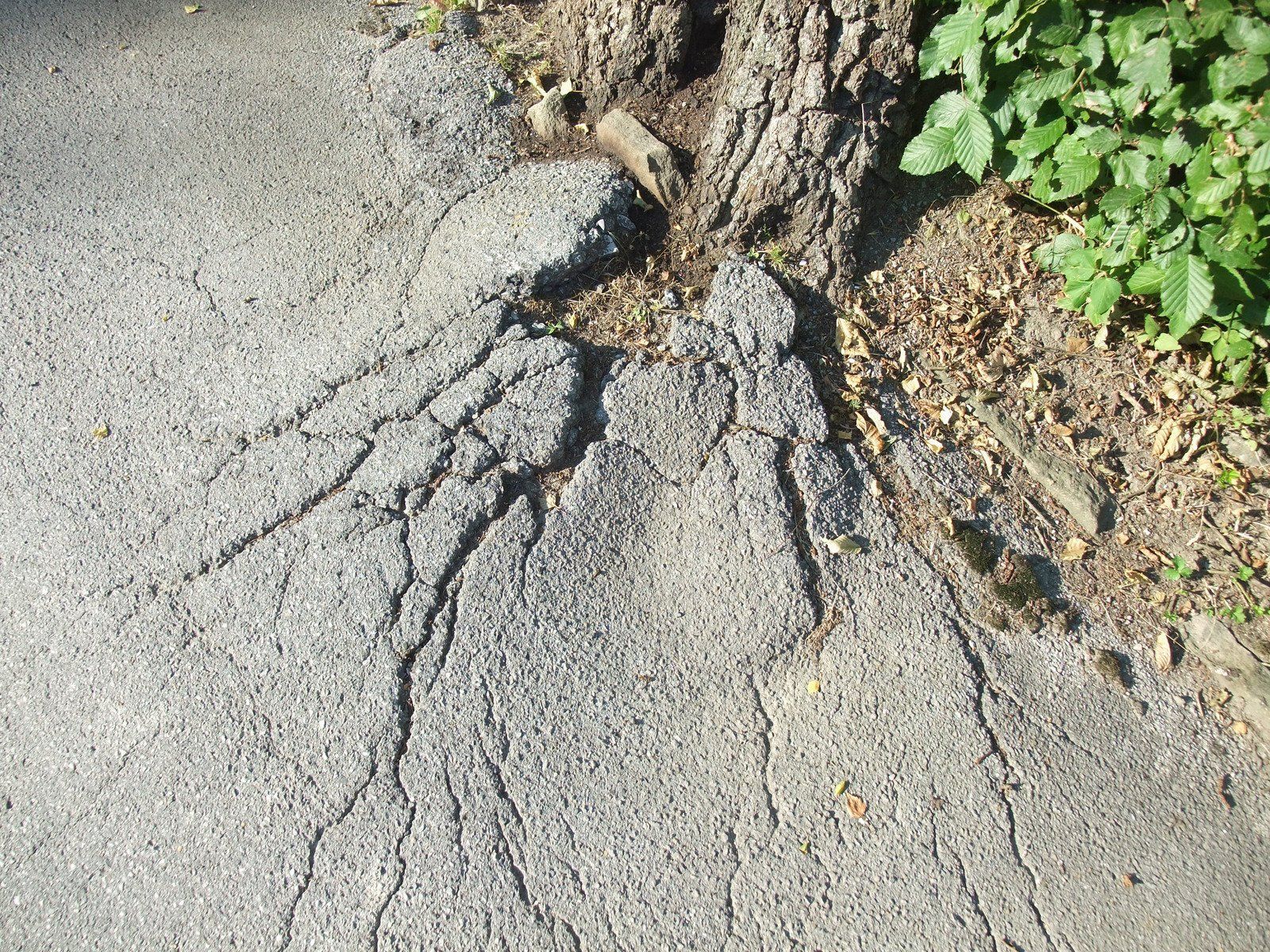
Tree roots can interfere with foundations, driveways, sidewalks, and underground utilities if not properly managed. Selecting appropriate species and planting at safe distances from structures minimizes long-term complications.
Strategic planning ensures trees remain assets rather than liabilities.
6. Best Practices for Maximizing Property Value Through Trees
List of Services
-
Choose the Right SpeciesList Item 1
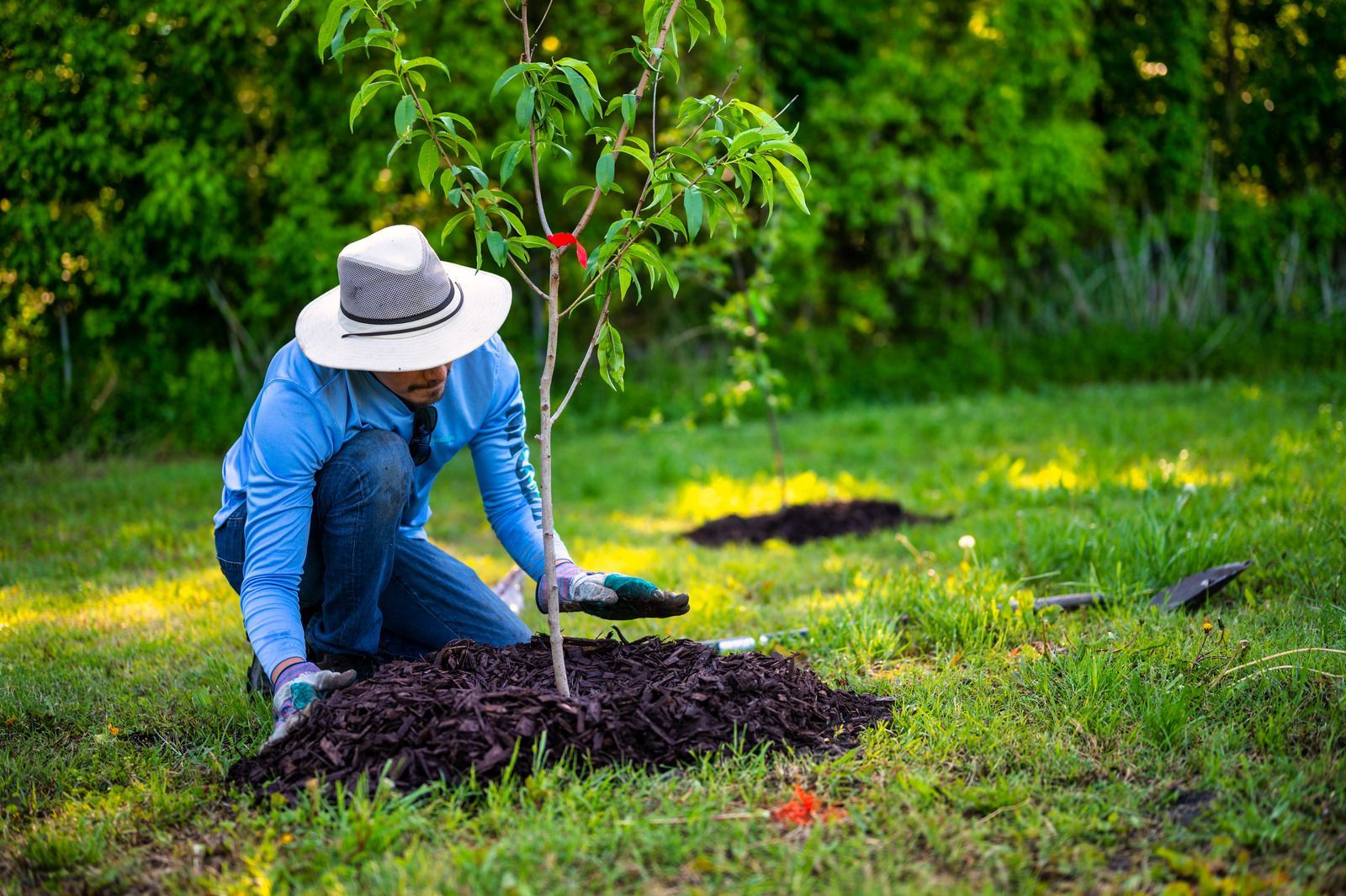
Native and climate-adapted species typically require less maintenance and have higher survival rates. Fast-growing species may provide quick shade but can be structurally weaker. Long-term value often lies in durable, well-suited varieties.
Consulting arborists during planning stages ensures optimal outcomes.
-
Invest in Professional PruningList Item 2
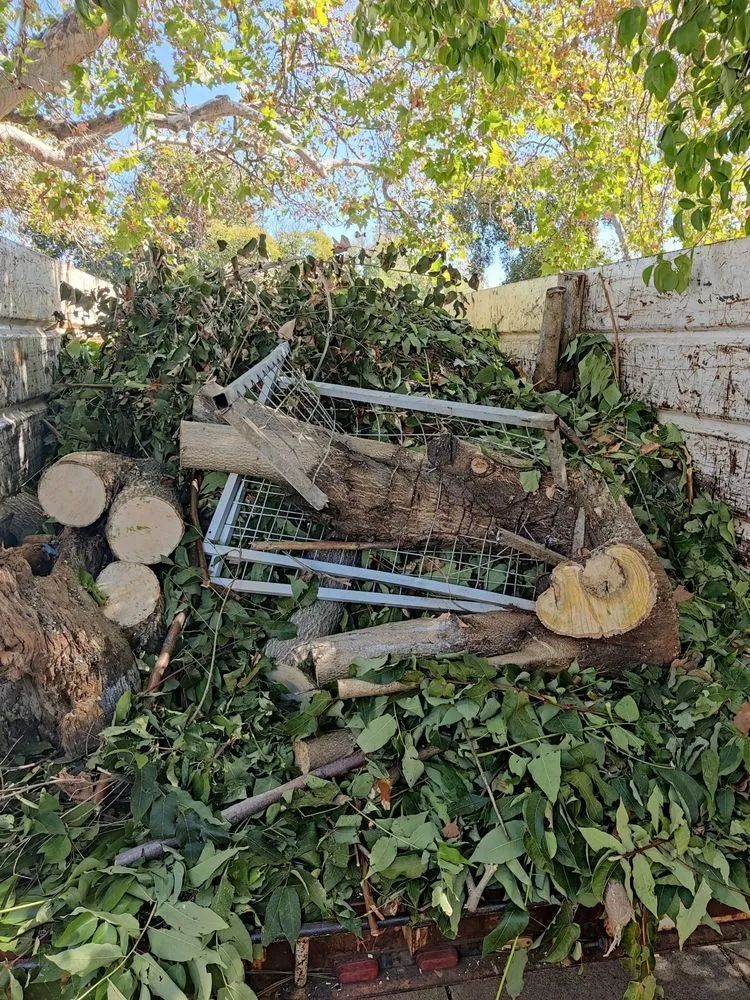
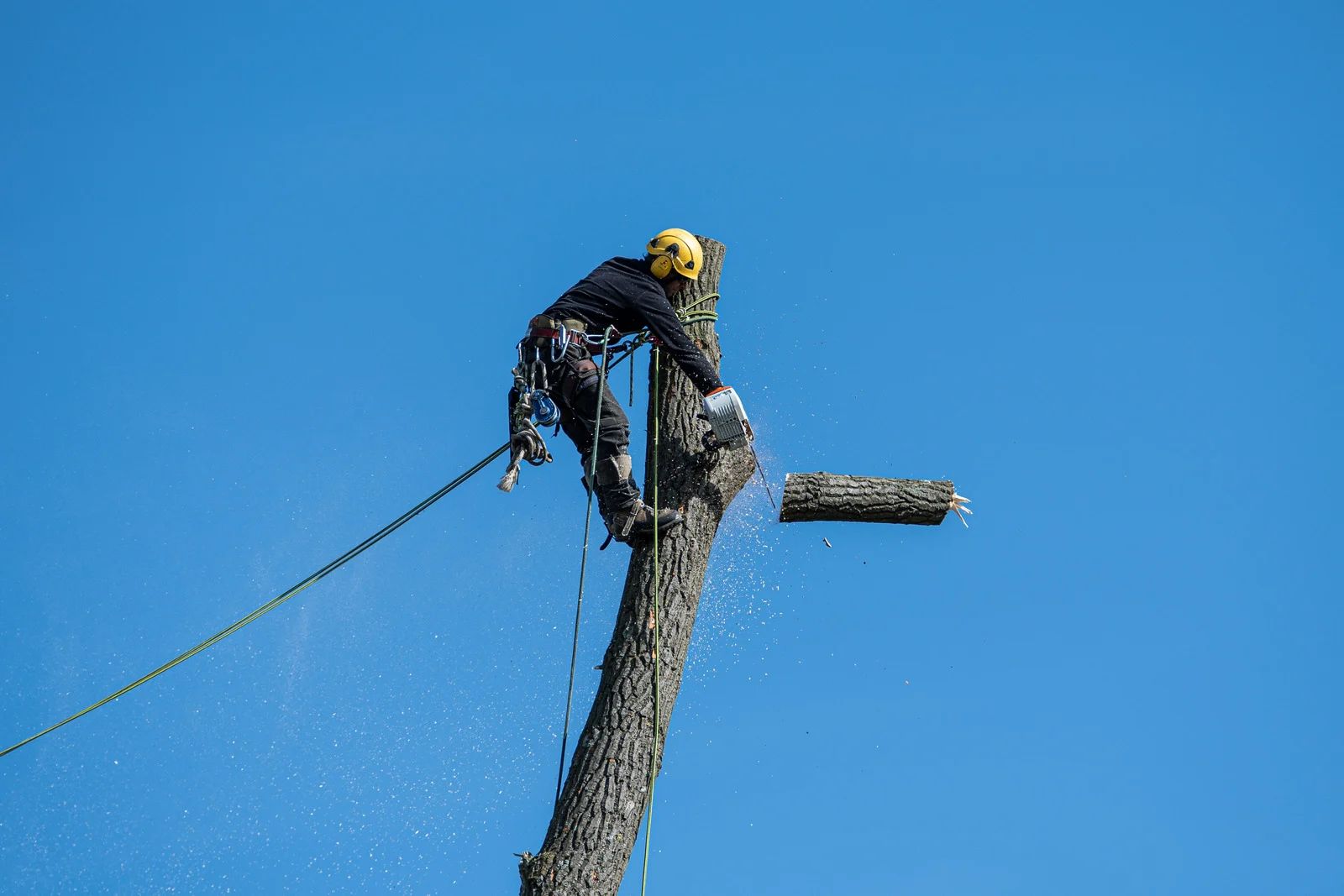
Proper pruning enhances tree structure, encourages healthy growth, and maintains aesthetic appeal. Over-pruning or improper cuts can damage trees and reduce their lifespan.
Scheduled maintenance preserves both health and appearance, directly supporting property value.
-
Plan for Long-Term GrowthList Item 3
Property owners should consider how trees will look in 10, 20, or 30 years. Avoid overcrowding and anticipate canopy expansion. Thoughtful spacing prevents future conflicts between trees and buildings.
Forward-thinking landscape design protects long-term appreciation.
-
Document Maintenance History
Keeping records of professional tree care demonstrates responsible ownership. When selling, documentation reassures buyers that trees have been properly managed.
Transparency builds trust and may positively influence appraisal assessments.
Experienced Specialists Enhancing Landscape Investment Value
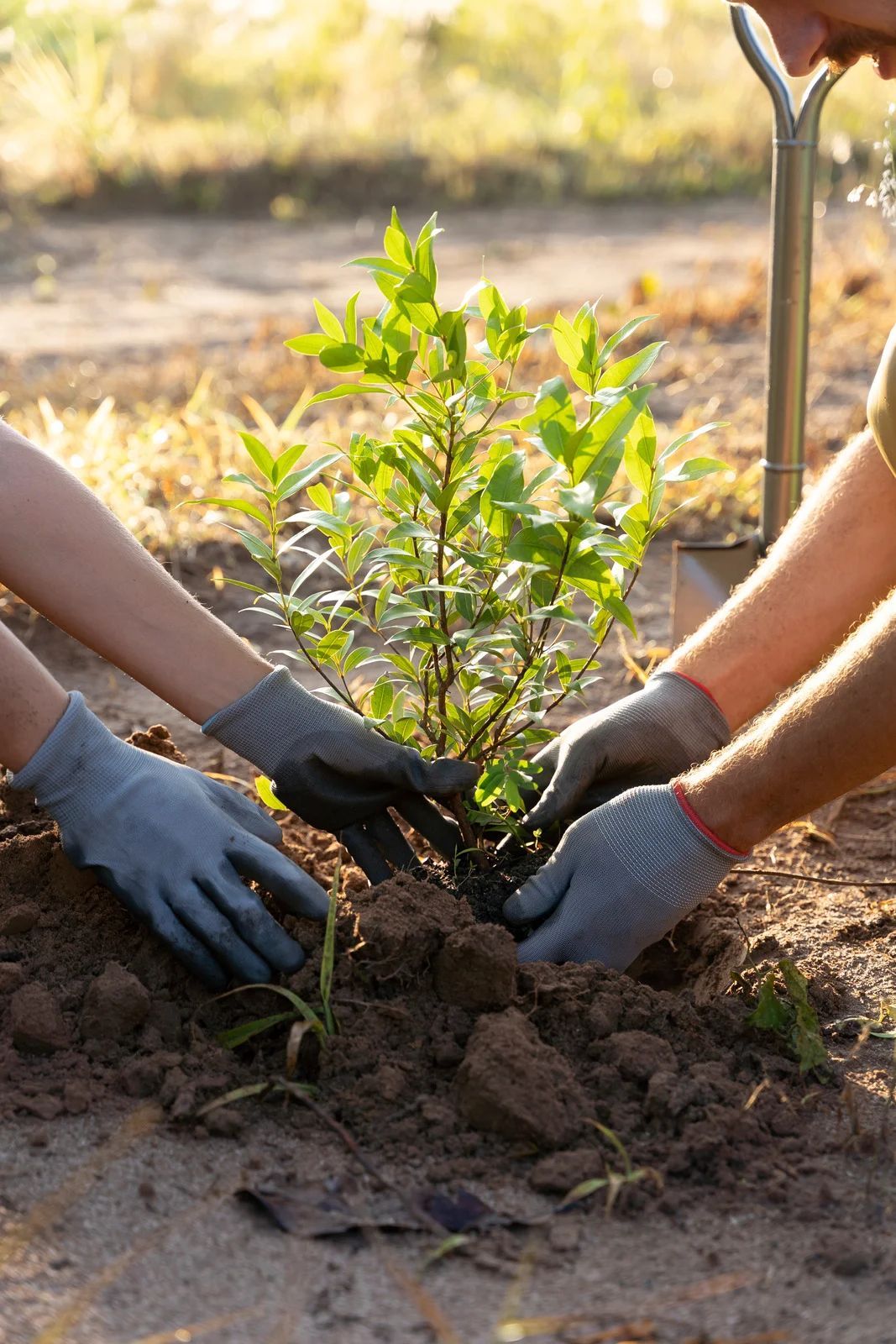
Trees are powerful contributors to property value when properly selected, placed, and maintained. They enhance curb appeal, reduce energy costs, improve environmental quality, and elevate both residential and commercial marketability. From shading homes and lowering utility bills to increasing buyer demand and strengthening long-term appreciation, trees offer measurable financial and lifestyle benefits. However, realizing these advantages requires proactive care and strategic planning. Healthy trees function as appreciating assets, while neglected trees can undermine value and create risk.
For property owners seeking to maximize long-term investment performance, professional tree care is essential. LD Tree Care, based in Sacramento, California, brings 15
years of experience in comprehensive
tree management
services. With a strong focus on safety, precision, and long-term tree health, the company helps homeowners and commercial property owners protect and enhance their landscape investments. From strategic pruning and risk assessment to expert planting and maintenance, LD Tree Care
delivers dependable, knowledgeable service grounded in industry best practices. Their expertise ensures trees remain valuable assets that contribute to both property beauty and financial growth for years to come.